Strength Training Foundations for Women Over 60: A Functional Home Protocol
Stable squat mechanics are a non-negotiable prerequisite for daily function, yet the initiation protocol for women over 60 is consistently botched.
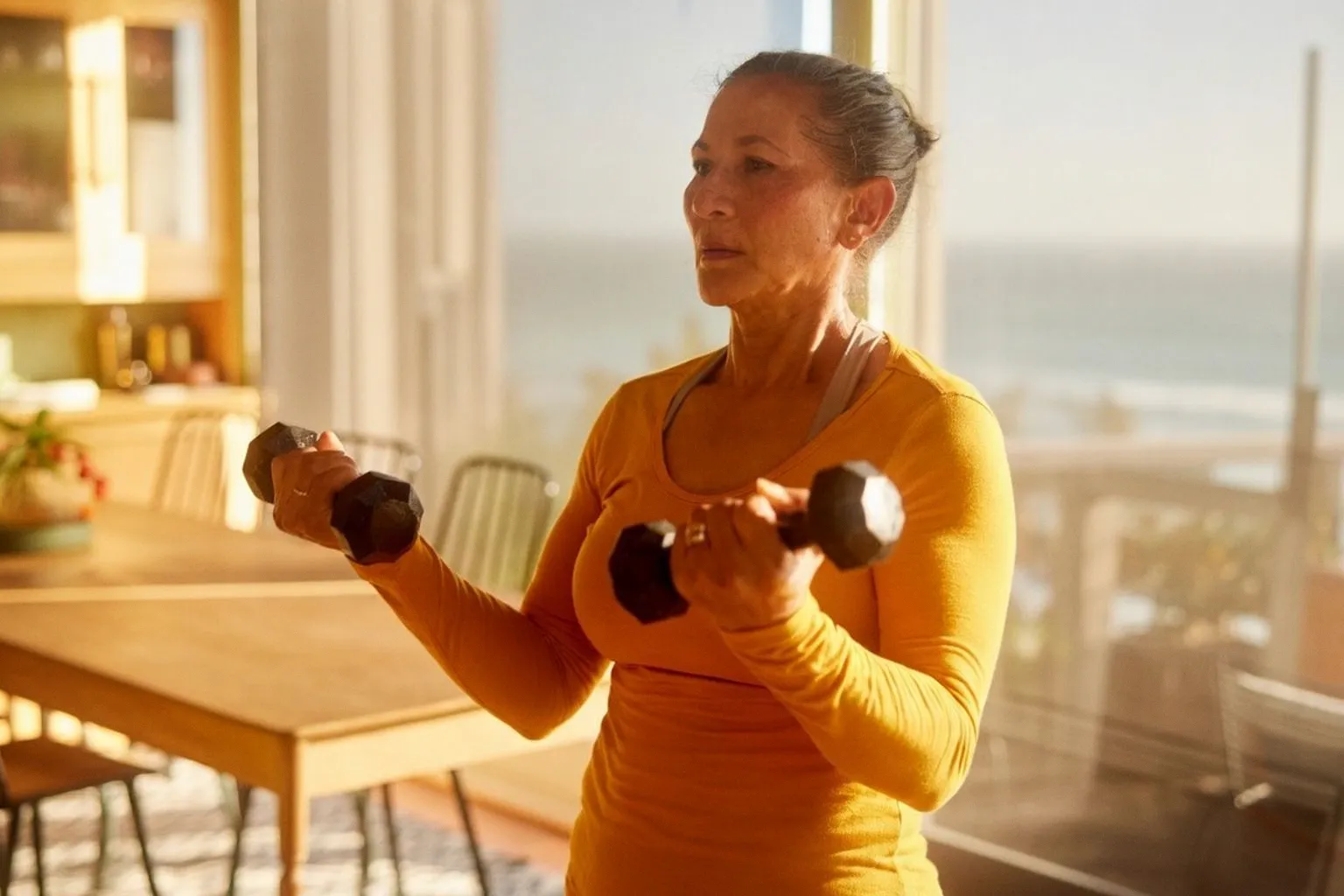
The data indicates bone density decline begins in the 30s, but the corrective action isn't immediate heavy loading—it's precise, calibrated work. This is where the process must start.
The Squat: A Mandate, Not an Option
Forget barbell back squats as the entry point. The objective is to load the skeletal system with a movement pattern that replicates getting out of a chair or a car. Bodyweight is the initial resistance. For those with ankle mobility or femoral length limitations, a heel elevation on a stable surface (a book, a low step) is a mechanical modification, not a regression. It adjusts the lever arm, allowing proper hip descent. The goal is range of motion under control, not arbitrary depth.
Integrated Upper-Body Loading
The obsession with isolated arm days is inefficient for a novice. Instead, integrate pressing volume into daily activity. A tricep press against a wall or kitchen counter—keeping the elbows tucked—becomes a viable strength stimulus. Start with a set of 10. The next week, target 12. This is progressive overload applied to real life, creating a hypertrophic response without requiring a dedicated gym session or complex programming.
Core: Abandon Spinal-Flexion Protocols
The conventional crunch and sit-up are obsolete for this population. They create repetitive spinal flexion under load, a high-risk maneuver for discs already undergoing degenerative changes. A standing ab workout, like those referenced from Denise Austin, shifts the demand to anti-extension and anti-rotation. This trains the core as a stabilizer of the spine and pelvis under load—a functionally superior objective.
Implementation Protocol:
- Frequency: Begin with two 10-minute sessions per week.
- Volume: 2-3 sets per movement, stopping at technical failure.
- Progression: Add 1-2 reps per set weekly before considering load increase.
- Tool Selection: Adjustable dumbbells for space efficiency; hex dumbbells for stability during floor work.