How a Professional Trainer Evaluates Fitness Apps for Real Results
By that metric, the Good Housekeeping Institute's recently published roundup of workout apps tested by certified trainers in their Nutrition & Fitness Lab is worth examining, not for the rankings…
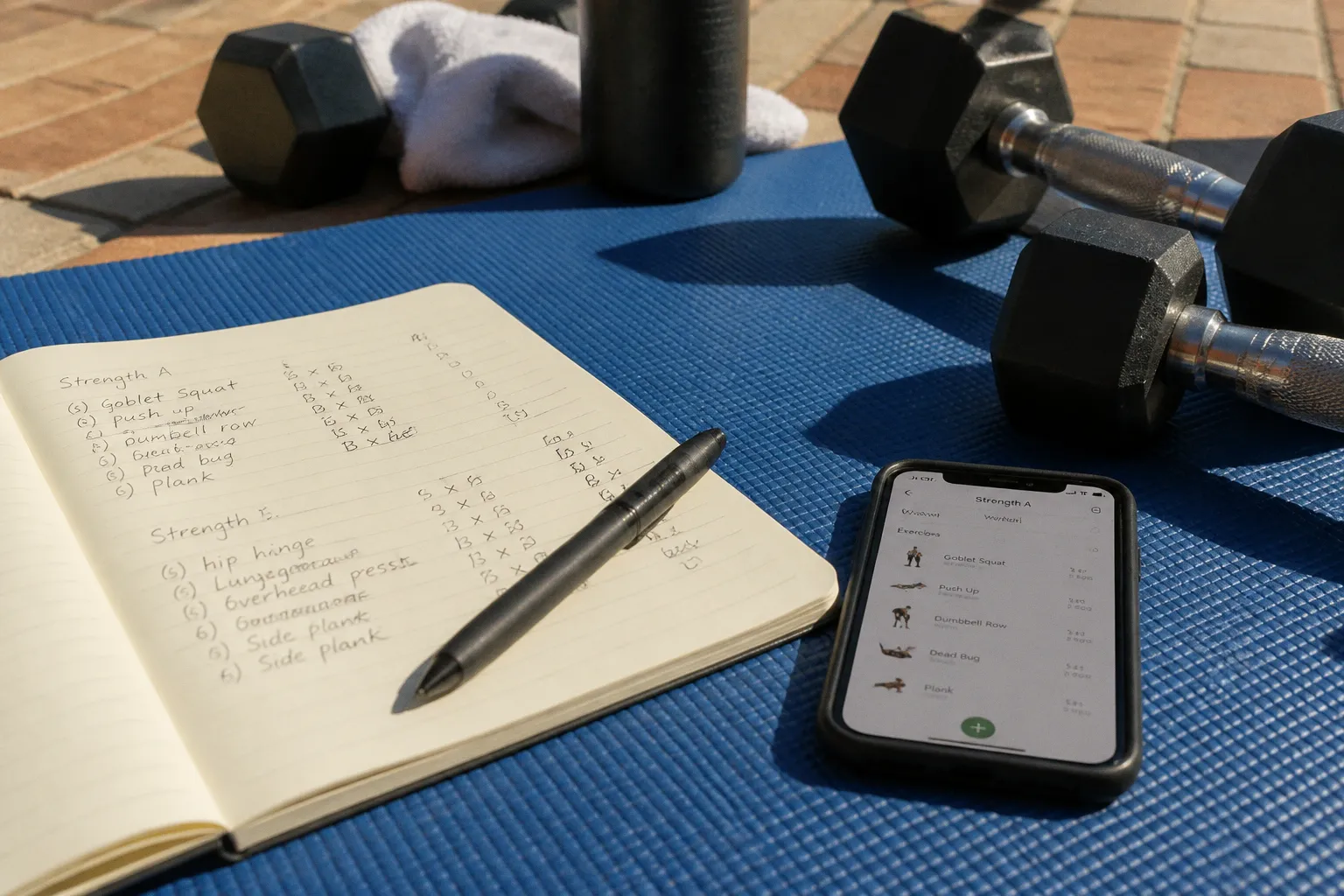
The workout app market is saturated with content that confuses protocol with performance. A good personal trainer doesn't pick an app for its aesthetic — they pick it for how cleanly it delivers load, volume, and progression data to the end user. By that metric, the Good Housekeeping Institute's recently published roundup of workout apps tested by certified trainers in their Nutrition & Fitness Lab is worth examining, not for the rankings themselves, but for the selection criteria that produced them.
What the methodology actually measured
According to Good Housekeeping, the Institute's exercise professionals evaluated more than 40 workout apps, scoring each on workout quality, exercise variety, and ease of use. Real-life testers ran the apps in parallel to track engagement and adherence. The two filters that matter for anyone treating training as a system: does the app deliver measurable variables (type, duration, equipment, instructor), and does it allow the user to filter those variables without friction during a session. Forty apps tested across that matrix is a useful sample for a market that doubles in size every eighteen months.
Peloton's tiered structure and the strength-specific layer
Peloton — in the market since 2014 and used by the article's author since 2018 — emerged as the standout for instructor-led programming. The platform splits into two iOS/Android tiers. App One covers machine-free modalities: bodyweight, dumbbells, resistance bands across 16+ class types including spin, running, yoga, barre, HIIT, strength training, stretching, and prenatal. App+ extends to Peloton Bike+ and Tread hardware with added metrics.
The layer most relevant to strength athletes is Strength+. It runs $10 monthly, free for existing App+ or All-Access members, and programs around the equipment you actually own — barbells, kettlebells, cable machines, medicine balls. That equipment-conditional programming is the feature that separates a usable strength app from a content library. Volume and load selection must match the available resistance profile, or the hypertrophic stimulus collapses.
Instructor filtering by name, length, and modality is the second non-negotiable. The cited users highlight filtering for class duration and instructor as the primary reason for retention — a retention mechanism that functions because it reduces decision fatigue before a session. Instructors cited include Robin Arzón, Cody Rigsby, and Alex Toussaint. Community features (hashtag groups, live DJ classes, virtual high fives) are secondary; they don't alter the mechanical output of the session.
Selection protocol before you subscribe
Treat any app trial as a 14-day diagnostic. Run the following checklist before committing:
- Confirm the app filters by equipment, duration, and modality in under three taps from the home screen.
- Verify that strength programming specifies load, reps, and tempo — not just exercise names.
- Check whether the free tier includes machine-free classes or gates them behind a hardware purchase.
- Test instructor continuity. If a single instructor change halts your adherence, filter capability matters more than library size.
- Confirm cancellation terms. Auto-renew at $10–$13/month compounds into a year of unused programming faster than any failed PR.
The market is large enough that the wrong app will waste time without wasting money. The right one removes the planning variable from the training equation — which is the only job an app should have.