How to Choose Men's Workout Gear Based on Biomechanical Performance
A recent piece in Business Insider compiled recommendations from a personal trainer on where to buy men's workout clothes.
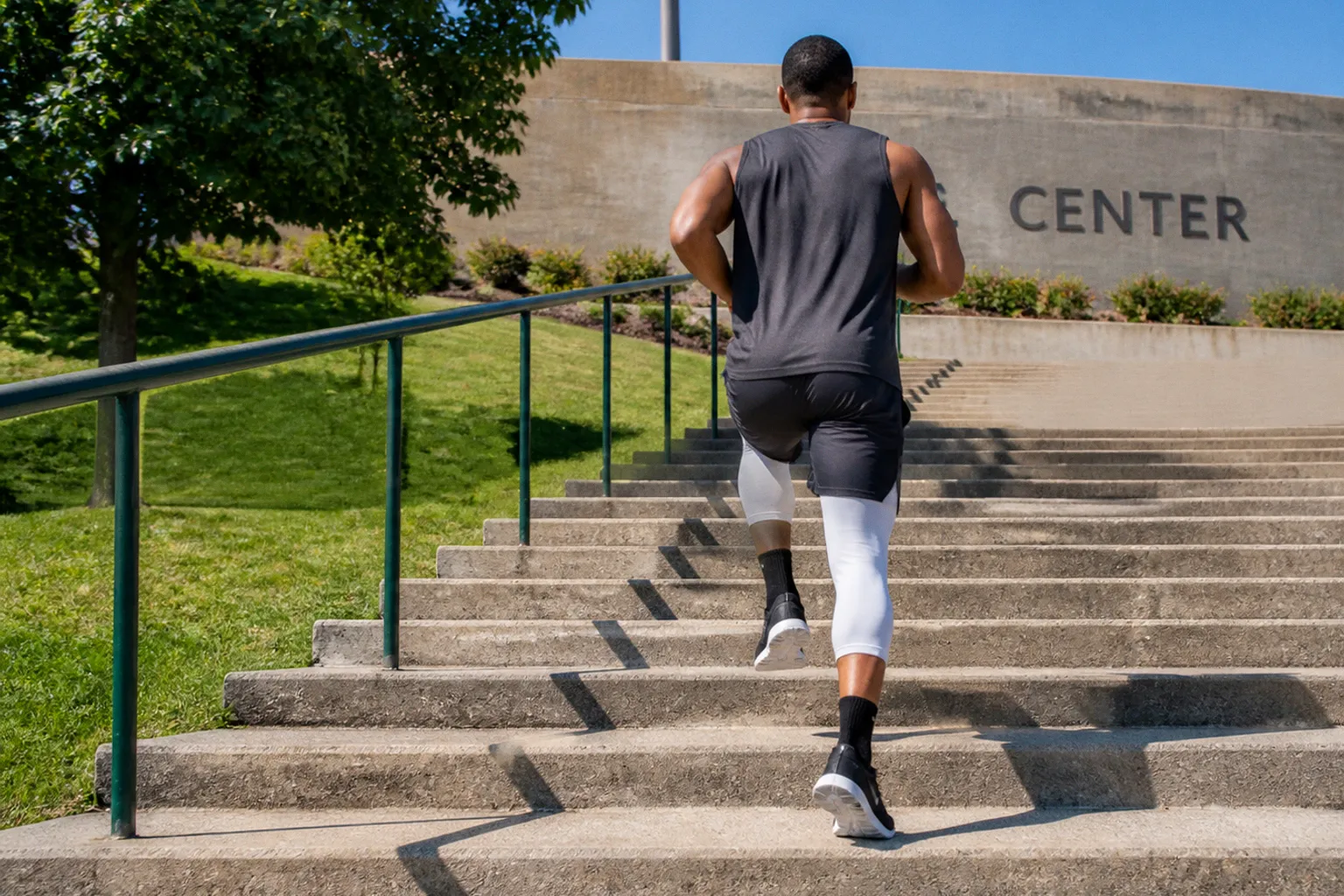
The topic matters less for fashion and more for mechanics: apparel choice directly affects joint tracking, thermoregulation, and unrestricted movement under load. For readers building a serious training setup, the buying decision deserves the same scrutiny as equipment selection.
What the guide actually addresses
According to the publication, the article walks through trainer-approved retailers and brands for men building a training wardrobe. The framing centers on a working coach's daily experience rather than marketing claims. Specific retailer picks or fabric specs were not included in the available summary, so treat the original Business Insider piece as the source of record for those details.
The biomechanics lens most guides skip
Clothing is not cosmetic. It functions as a passive tool that either preserves or compromises joint mechanics during loaded movement.
Key variables to evaluate before purchase:
- Sagittal plane clearance. Squat depth, overhead reach, and hip hinge range require fabric that moves without binding at the hip flexor, posterior chain, and shoulder.
- Compression level. Moderate compression improves proprioceptive feedback and may support venous return during higher-volume sessions. Excess compression can restrict diaphragmatic excursion and breathing mechanics.
- Seam placement. Chafing under load is a mechanical friction problem, not a comfort preference. Flat or offset seams at the inner thigh, underarm, and nipple line prevent skin breakdown across repeated cycles.
- Heat dissipation. Polyester blends wick; cotton retains. In high-output work, retained heat elevates core temperature faster, accelerating fatigue and reducing time under tension.
- Waistband stability. Rolling waistbands shift load distribution and alter pelvic position. This changes lumbar loading during hinge patterns.
Protocol for evaluating any new piece
Before adding apparel to a training rotation, run a mechanics check:
1. Perform a full-depth squat, deadlift setup, and overhead press in the garment.
2. Monitor for fabric pull at end-range positions.
3. Assess waistband migration during loaded hip hinge.
4. Note skin contact points after a 30-minute session for friction marks.
5. Repeat under sweat conditions to confirm thermal behavior.
Clothing that survives this screen belongs in the rotation. Clothing that fails any step is a liability to joint position and movement quality — regardless of brand prestige or trainer endorsement.