Evaluating AI-Driven Fitness Apps: Beyond the Marketing Hype
Forbes has published “The 10 Best Workout And Fitness Apps Of 2026,” putting app-based training back into the equipment-selection problem.
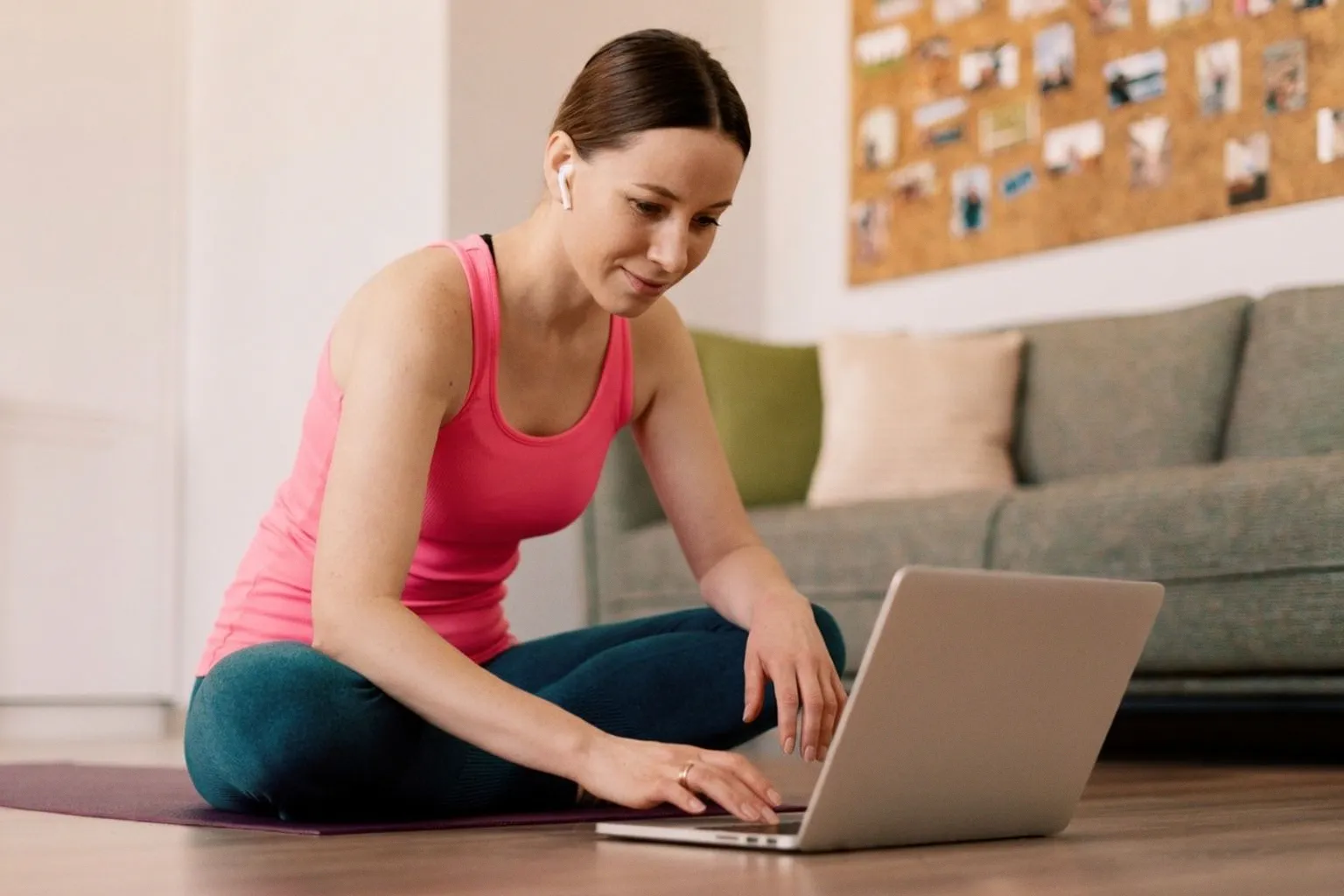
For a strength trainee, the relevant question is not which app has the strongest marketing. It is whether the software controls exercise selection, loading, recovery, and session constraints with enough precision to support progressive training.
The available reporting identifies several AI-driven platforms, but it does not provide Forbes’ individual rankings, prices, platforms, or testing criteria. Treat the list as a starting point, not a validated prescription.
The useful distinction is programming logic
Our Culture Mag’s overview separates the apps by the data they use to build sessions.
- Fitbod uses logged training history, estimated per-muscle recovery, experience, goals, and available equipment. It recommends exercises, sets, and weights, then adjusts sessions as users record sets, repetitions, and loads.
- Zing Coach uses Apple Health data, a body-composition scan, a fitness test, a front- and side-facing photo, and a questionnaire to create a program. It can modify sessions by duration, equipment, fatigue, and overall activity.
- Freeletics covers calisthenics, cardio, high-intensity interval training, running, strength, and other formats. Its AI coach adjusts weekly difficulty according to how users rate completed sessions. The platform also includes warm-ups, cooldowns, mobility, and recovery sessions.
- SensAI uses Apple HealthKit data, including equipment access, recovery data, schedule, sleep quality, heart-rate variability, and resting heart rate to suggest training intensity.
These are not interchangeable functions. Fitbod is structured around resistance-training history and equipment constraints. Zing Coach emphasizes intake data and adaptation for users returning after inactivity. Freeletics prioritizes modality and schedule flexibility. SensAI places greater emphasis on physiological and recovery inputs.
That distinction matters because a workout generator is only as useful as its control variables. If the objective is hypertrophy, the system must at least account for exercise selection, load, repetitions, and recovery exposure. If the objective is general activity, a broader model may be adequate. Confusing those use cases produces poor programming.
What to check before selecting an app
Use the following filter. Do not select a platform because it displays more exercises or uses the word “AI.”
- Load progression: Can you log weights, sets, and repetitions?
- Equipment control: Can the program remove exercises that are impossible in your gym or home setup?
- Recovery adjustment: Does the app change the session when recent training or fatigue data changes?
- Time constraint: Can the session be shortened without deleting the primary training stimulus?
- Training history: Does the system use previous performance, or does it generate isolated workouts?
- Intensity control: Is difficulty adjusted from completed performance, subjective ratings, or physiological data?
- Movement scope: Does the app support resistance training, cardio, running, calisthenics, or high-intensity intervals according to your actual goal?
- Data requirement: Does personalization depend on Apple Health, photos, quizzes, sleep data, or heart-rate metrics?
The evidence does not establish that any listed app is clinically supervised, suitable for a specific medical condition, or superior for every trainee. It also does not establish that biometric inputs improve outcomes. Those are separate claims and require separate evidence.
Implementation protocol
Choose the app whose input model matches the constraint that currently limits your training.
1. If equipment and resistance-training history are the main variables, assess Fitbod first.
2. If you are returning after inactivity and need short, adjustable home sessions, assess Zing Coach.
3. If your training rotates across running, strength, cardio, and bodyweight work, assess Freeletics.
4. If sleep, recovery, and Apple HealthKit data are central to your decision process, assess SensAI.
5. Log every completed session for the first training block.
6. Do not change platforms before you have enough logged sessions to judge whether the recommendations adapt to your actual performance.
The protocol is strict: define the goal, define the available equipment, record the training variables, and evaluate the app on its adjustment behavior. The “best” app is not the one with the broadest feature list. It is the one that changes the program when the biological system, the workload, or the training environment changes.