Expert-Tested Free Workout Apps: Finding Programs That Actually Build Muscle
Garage Gym Reviews published its August 2026 evaluation of twelve free options — a useful entry point for anyone mapping a programming decision against time, equipment, and recovery constraints.
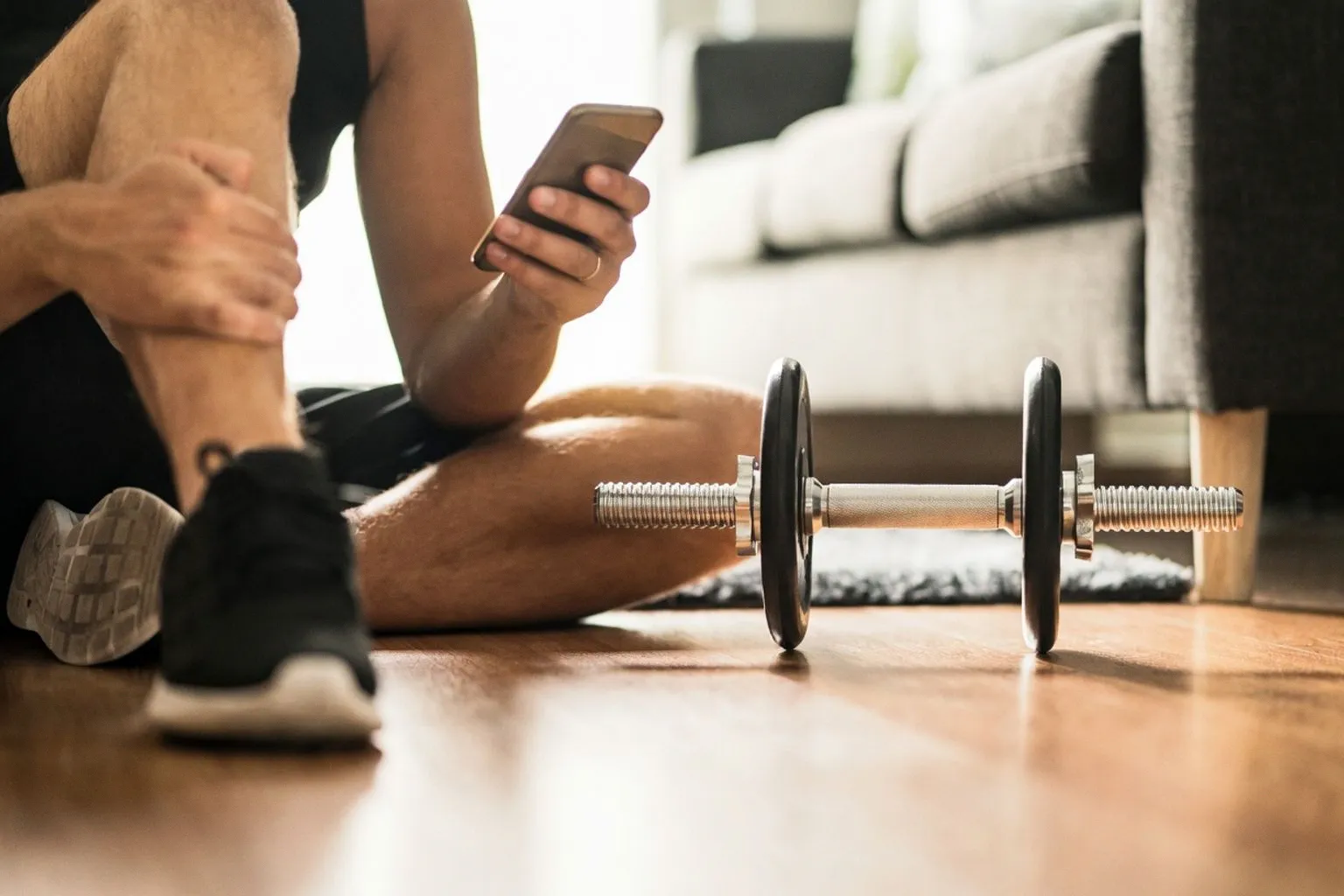
A new expert-tested roundup of free workout apps lands as the training landscape grows increasingly app-dependent. Garage Gym Reviews published its August 2026 evaluation of twelve free options — a useful entry point for anyone mapping a programming decision against time, equipment, and recovery constraints. The practical question is not whether free apps exist; it is whether any of them deliver the mechanical variables that actually drive adaptation.
What the roundup is, and what it isn't
Garage Gym Reviews' "The 12 Best Free Workout Apps Tested by Experts (2026)" compiles free-tier options tested against criteria that, per the publication's focus, typically span equipment requirements, instruction clarity, and progression logic. The piece joins two adjacent fitness reads circulating the same week: Women's Health on strength-training mechanics for building muscle after age fifty, and Verywell Health on inside-versus-outside workout comparison. None of these replace a trained eye; they are decision tools.
The biomechanical filter that matters
Free apps vary widely in how they prescribe volume, intensity, and rest. From a mechanics standpoint, the variables worth checking before committing are concrete.
- Session frequency and muscle-group rotation. Resistance work across three or more days per week, rotating major groups such as legs, back, and core.
- Volume per muscle group. Two to three exercises per group per session, six to twelve reps across three to five sets, sixty to ninety seconds of rest between sets. An app that defaults to a single exercise per body part per day, or prescribes vague "as many reps as possible," fails this filter.
- Load-selection guidance. The final two reps of a set should feel challenging but technically achievable. Programs that omit load cues, or rely on bodyweight-only protocols without regression or progression paths, cap long-term output.
- Warm-up architecture. Muscles prime more slowly with age, and adequate preparation — fifteen to twenty minutes of low-intensity heart-rate elevation plus joint-prep work like planks and squats — reduces injury risk. Apps that drop the user directly into heavy sets warrant skepticism.
- Form calibration. Programs that build bodyweight movement competency through squats, lunges, and push-ups before external load are mechanically safer than those that push weight selection before technique is established.
These parameters, drawn from strength-training protocols described in current Women's Health reporting on muscle building after fifty, are the same filters an app's free tier should meet regardless of the user's age.
How to use a free app without inheriting its flaws
Treat the app as a delivery mechanism, not a coach. Verify that its programming hits the parameters above. Where it undershoots, substitute the missing variable: add a set, extend a rest interval, swap an exercise for a joint-friendlier variant. A free tier that provides structure but undershoots on volume is a starting template, not a finished program.
Watch for apps that lock progression behind a paywall mid-cycle. If weeks one through three deliver mechanical substance and week four freezes it behind a subscription, the free component has effectively ended. Track session-to-session load increases and rep-quality changes. If neither moves after four weeks, the programming is not progressive in any meaningful sense, regardless of what the interface advertises.
The Garage Gym Reviews list is a reasonable map of current free options. Cross-reference its recommendations against the filters above before installing anything, and do not assume that an "expert-tested" label substitutes for personal verification of the variables that drive adaptation.