How Structured Exercise Programs Significantly Reduce Atrial Fibrillation Burden
According to Medical Xpress, the trial stacked supervised exercise with a long-term home-based component.
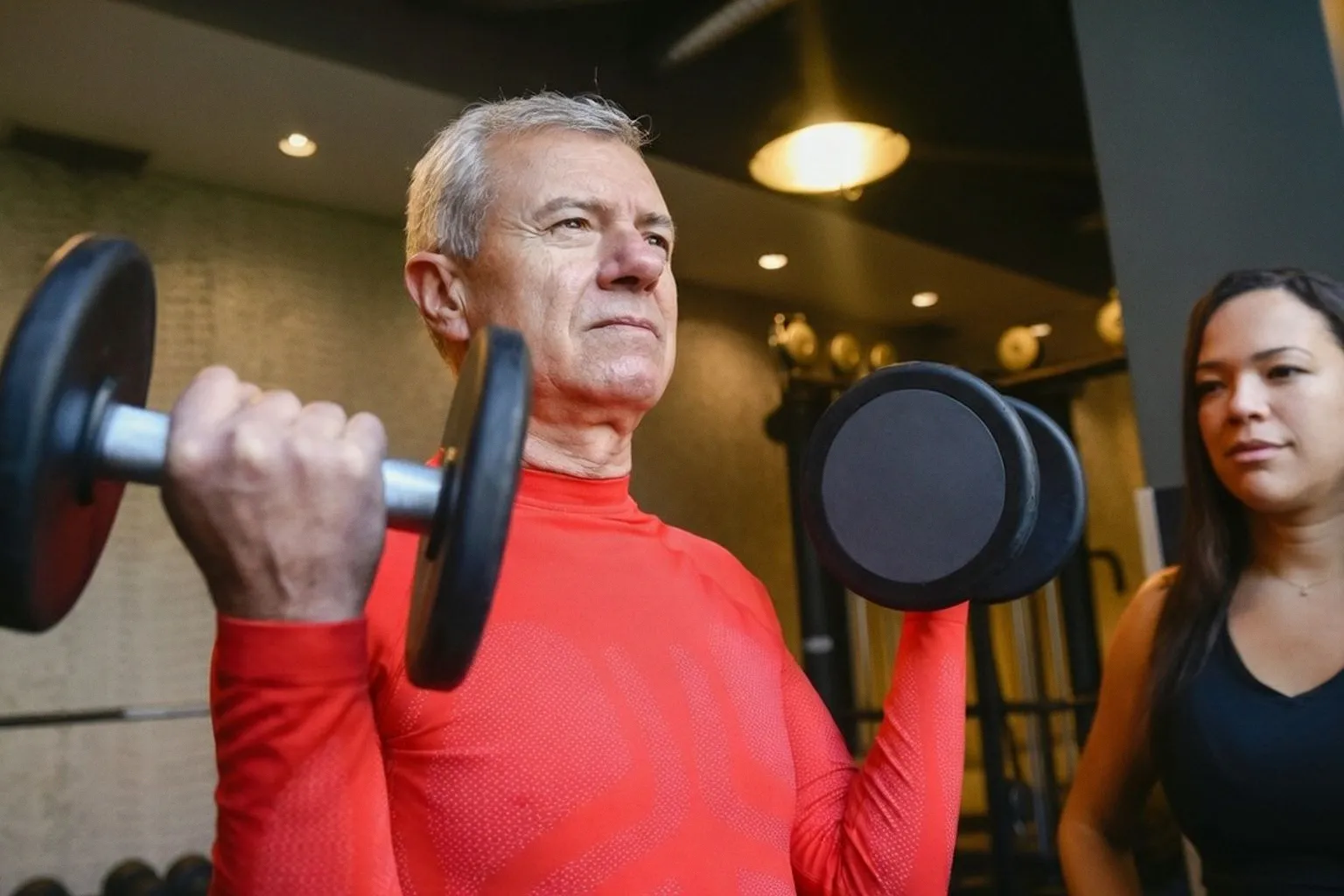
Xpress is reporting on the NEXAF randomized trial, which found that a tailored program combining supervised and long-term home-based exercise cut atrial fibrillation burden by 45% at one year and lowered hospitalizations. For the training crowd, this is both obvious and quietly important: the protocol that worked wasn't some boutique gadget — it was supervised work paired with consistent home sessions, the exact combo most of us claim we "don't have time for."
What NEXAF actually tested
That's where the 45% AFib reduction came from at the twelve-month mark, along with fewer hospital admissions. No magic modality. No recovery device du jour. Just structured, individualized training, with the boring half being the part that actually had to stick.
You can almost hear the supplement industry sighing. The best-performing protocol, by a wide margin, is the one nobody can slap a logo on.
The cardio-plus-weights data behind it
A separate meta-analysis, covered by Live Well News and published in Sports Medicine — Open, pooled randomized trials of combined aerobic and resistance training in coronary heart disease patients. The easy headline: mortality ran about 60% lower against usual care — meaning being sent home with a leaflet and told to "take it easy."
The harder test was against aerobic training alone, the cardiac rehab default for decades. The combination still won. Live Well News reported improvements in peak oxygen uptake, six-minute walking distance, one-rep max, peak torque, and quality of life — all modest, all consistent. The roughly 22-meter gain on the six-minute walk sounds tiny until you remember it sits near the threshold where patients actually notice a difference in daily life.
Against resistance training alone, the combo still added about 1.91 ml/kg/min in peak oxygen uptake. Each half did something the other couldn't. The treadmill built aerobic capacity; the weights rebuilt muscle that had been quietly wasting since the cardiac event. Put them together and you've got roughly the difference between struggling up a flight of stairs and clearing it without stopping.
What to actually do with this
If you program workouts for anyone past 40 — or for anyone with a cardiac flag in their intake form — this is the kind of data that should quietly reshape your default questions. "Tailored" is doing a lot of heavy lifting in the trial name, but it doesn't mean exotic. It means:
- A supervised block to dial in intensity, technique, and heart-rate response
- A home plan the client will realistically follow — not an aspirational one
- Both aerobic and resistance work, not an either/or split
Skeptical tester's verdict: this won't trend because there's no product to sell and no shortcut to package. It's the most annoying kind of fitness news — the kind that actually works. If you've been waiting for permission to add structured resistance work to a cardio-heavy program for an older client, consider this your permission slip.