Why Functional Longevity and Core Stability Are Redefining Home Fitness
As reported by SuaraGarut.ID, fitness practices across India have undergone a measurable transformation over the past 17 years, moving from gym-centric weight loss protocols toward integrated…
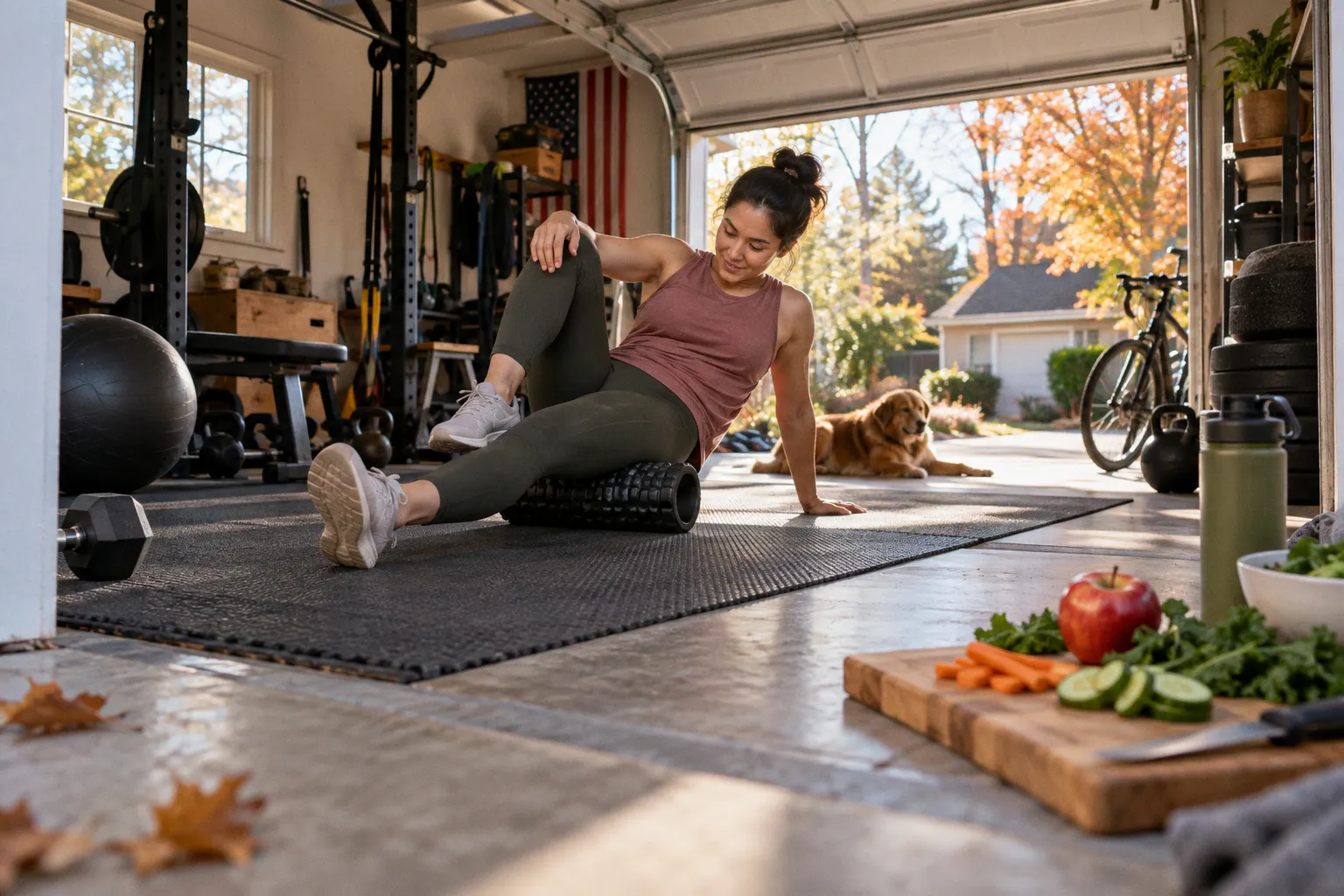
As reported by SuaraGarut.ID, fitness practices across India have undergone a measurable transformation over the past 17 years, moving from gym-centric weight loss protocols toward integrated programming built on functional longevity, home equipment, and technology tracking. The primary driver is no longer aesthetic; according to the same data, individuals now report training to elevate daily energy output, improve sleep architecture, mitigate mental stress, and preserve joint mobility.
What the mechanical shift actually requires
Core stability is not a marketing term. It refers to the capacity of the deep trunk musculature — transverse abdominis, multifidus, pelvic floor, diaphragm — to maintain neutral spinal alignment under load. When programming prioritizes this, the rate of compensational movement decreases across the sagittal and frontal planes.
The trend data points to four training objectives that now supersede weight loss as a goal:
- Daily energy regulation through structured aerobic output
- Sleep quality via parasympathetic recovery work
- Stress mitigation through controlled resistance loading
- Mobility maintenance via targeted joint range drills
A reader building a home program should map weekly sessions to these four objectives, not to a generic "fat burn" template.
Equipment and the home-space constraint
Home workout hardware has shifted from discretionary purchase to standard household item. The SuaraGarut.ID report cites walking pads, under-desk treadmills, and space-saving strength gear as the core acquisitions driven by remote work environments and reduced daily walking commutes.
Verify before committing:
- Footprint dimensions versus dedicated floor space — leave a buffer zone for movement faults
- Weight capacity rating on any suspension or rack-mounted unit
- Cable travel length on resistance systems — short travel truncates the hypertrophic range
- Belt motor duty cycle on treadmills — continuous-use rating matters more than peak horsepower
If the gear cannot support a full range of motion for compound lifts, it fails the basic mechanical requirement. Do not compensate with higher rep counts; compensate with different equipment.
Tracking metrics and the wearable caveat
Per the Industry overview, wearable adoption is tracking real-time metrics including heart rate, daily step counts, and sleep cycles. Recovery tools, mobility drills, and dedicated rest days are increasingly integrated into general training frameworks.
Heart rate variability and resting heart rate are the two data points that inform programming adjustments. Step counts alone do not capture mechanical load. Sleep cycle data informs recovery windows but does not replace subjective readiness assessment.
Build the program around the metrics. Do not build the program around the device.
best fitness watches for running, training and health tracking