Why Soy Is the Superior Plant-Based Protein for Post-Workout Muscle Recovery
According to registered dietitian Natalie Rizzo, TODAY's nutrition editor, the post-workout protein math is straightforward: soy delivers the highest grams of protein per unit of food among plant sources.
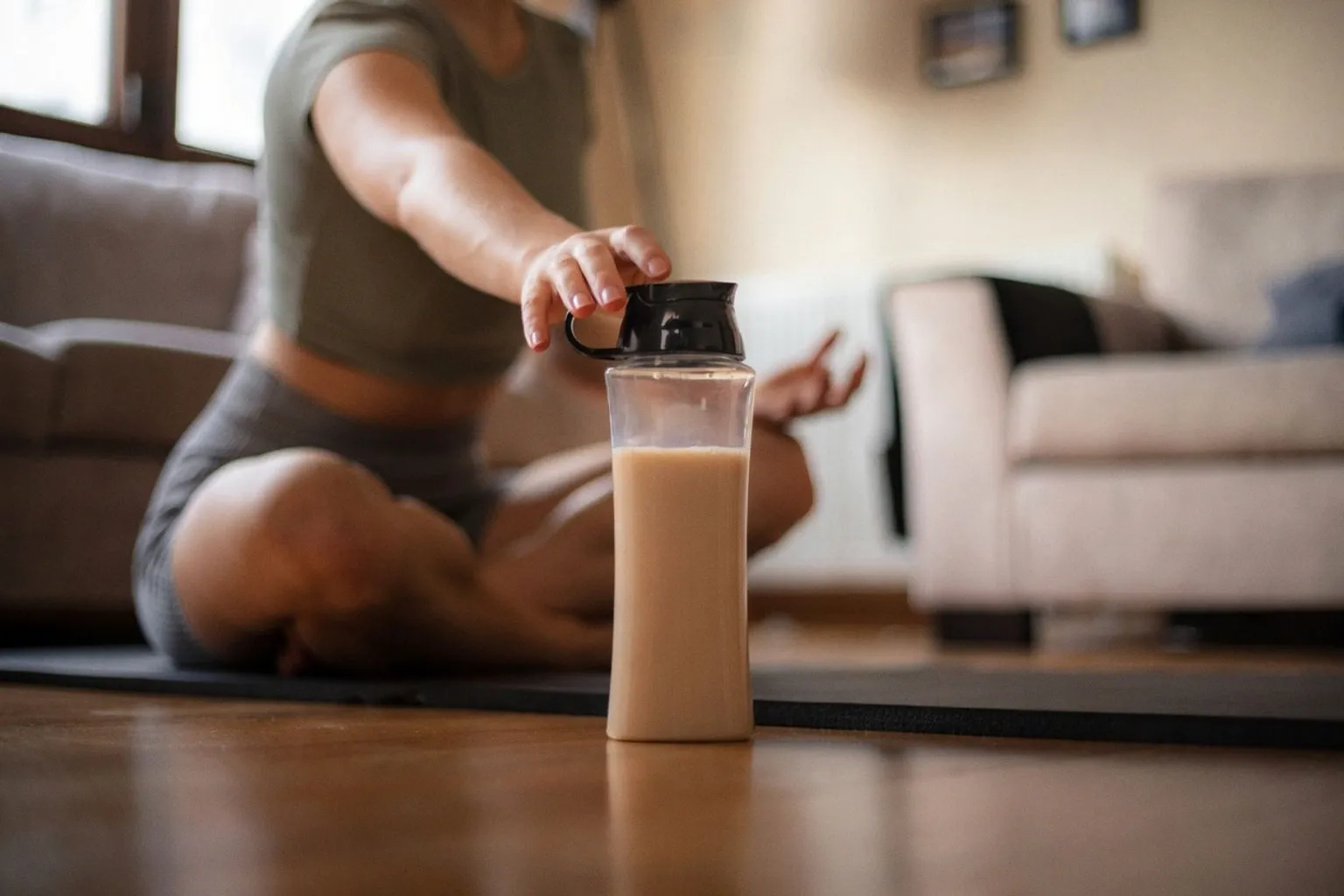
For lifters training for hypertrophy or strength, the substrate choice is mechanical, not ideological — it is grams of usable protein delivered within the recovery window. The decision tree below is built on that premise.
The Recovery Equation
Two macronutrients govern post-exercise tissue repair. Protein supplies the amino acids required for muscle protein synthesis and hypertrophic remodeling. Carbohydrates replenish glycogen consumed during the session. Their relative priority shifts with session type.
After strength training, the dominant demand is high-quality protein. Mechanical loading creates micro-damage in type II fibers; repair requires leucine-rich substrates delivered while MPS sensitivity remains elevated.
After long or intense cardio, the dominant demand shifts to carbohydrates. Sustained oxidative work depletes muscle and hepatic glycogen; replenishment determines subsequent session quality.
For mixed sessions — the operational reality for most lifters — both nutrients, consumed within 60 to 120 minutes of training, is the standard. Rizzo flags three conditions that compress the window: session length over 90 minutes, twice-a-day training blocks, and fasted work. In each case, eat sooner.
Soy Delivers the Highest Yield Per Volume
Among plant proteins, soy is the densest. "Soy foods tend to have the most protein per volume of food," Rizzo notes. Four practical vehicles, ranked by utility:
Soy milk delivers 8 grams of protein per serving — identical to dairy milk by weight. Fastest option when time is the limiting variable. Blend with fruit and you have protein plus carbohydrate in one container, no prep required. This is the default for early-morning or post-shift sessions.
Tofu delivers 10 grams of protein per 3-ounce serving. Firm tofu can exceed 20 grams per serving, putting it on par with chicken breast per 100 grams. Rizzo recommends pairing it with rice and vegetables for a complete recovery plate — the practical format for evening training sessions when a shake is no longer appropriate. Rizzo also flagged tofu as her top plant protein for both muscle building and bone health support.
Edamame — immature soybeans — delivers 9 grams of protein and 4 grams of fiber per half-cup. Snackable straight from the pod; equally functional in grain bowls, salads, and stir-fries. The fiber content slows gastric emptying, useful when the next structured meal is several hours out.
Peanut butter rounds out the list. Protein-dense, fat-rich, and calorically dense. Functions as a topping for post-training toast, a smoothie thickener, or a direct spoon feed when appetite is suppressed and time is compressed.
Operating Protocol
1. Target 15–25 grams of protein within the recovery window, paired with a carbohydrate source scaled to session intensity.
2. Default to soy-based options for the highest protein density per calorie consumed.
3. Scale carbohydrate up after cardio-dominant sessions. Scale protein up after heavy resistance work.
4. Compress the window to under 60 minutes for fasted training, double sessions, or sessions over 90 minutes.
5. When appetite is low or prep time is zero, liquid formats — soy milk-based shakes with fruit — deliver the required macros with minimal gastric load.
6. Tofu paired with a carbohydrate source is the cleanest whole-food recovery plate for evening sessions.
The plant protein market is saturated with products that under-deliver on the metric that actually matters. Soy is not one of them.