Effective Weight Training Strategies for Gym and Home Workouts
Per the roundup from fuelcarmagazine on barbell and dumbbell full-body plans, both modalities are presented as complete programming options rather than substitutes with a downgrade.
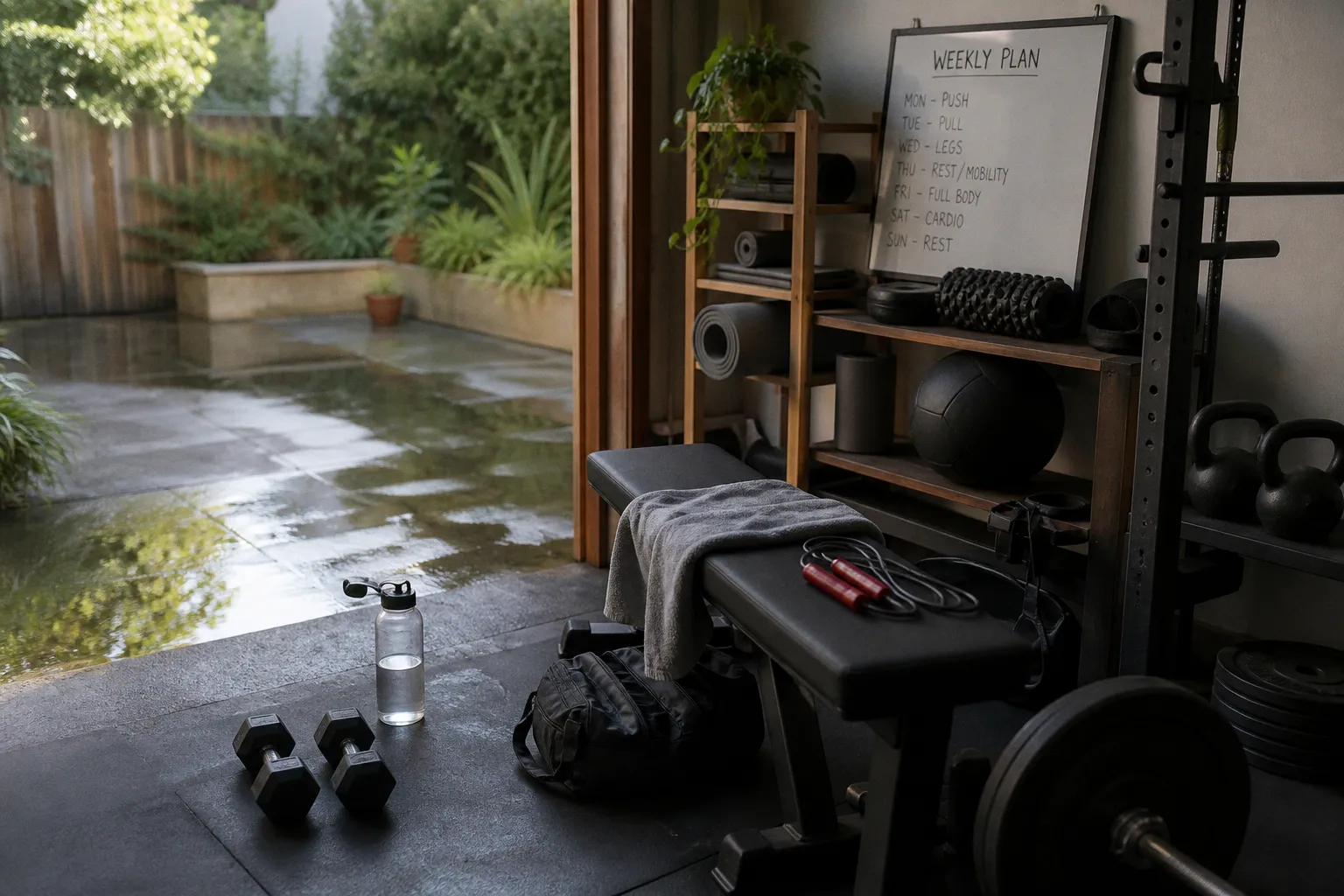
Several fitness outlets have rolled out fresh guidance on weight training over the past week, covering barbell work, full-body gym sessions, dumbbell-only home plans, weight-loss routines, vibration plate use, and a weekly structure aimed at ADHD symptom management. None of these are peer-reviewed studies. They are consumer-facing programming templates. Treat them as templates, not prescriptions.
The Equipment Variable Changes the Loading Curve
Moving from a commercial gym to a home dumbbell setup does not mean reducing the training stimulus. It means reallocating the resistance profile. Per the roundup from fuelcarmagazine on barbell and dumbbell full-body plans, both modalities are presented as complete programming options rather than substitutes with a downgrade. The biomechanical distinction is joint torque distribution and stabilization demand, not effort level.
Key mechanical points to screen for in any plan you adopt:
- Sagittal-plane dominant compounds (squat, hinge, push, pull) as the base. Isolation work is supplementary, not foundational.
- Progressive overload must be trackable with the equipment listed. Dumbbells cap out fast. Plan a load-progression method before the weights stall.
- Stabilizer demand rises as the load becomes unilateral or unstable. Budget recovery accordingly.
What the Current Guidance Batch Actually Covers
The Prevention piece on vibration plates adds a modality question: do they deliver a meaningful hypertrophic or strength stimulus? The framing in the headline — "actually work" — signals a critical review. If you are adding a vibration plate to a routine, verify it is functioning as a supplement to loaded movement, not a replacement for it. Standing on a plate does not replicate the mechanical tension of a loaded squat.
The Fit&Well piece, built around Les Mills presenter Bronté Terrell's weekly structure, applies a specific lens: managing the energy regulation challenges associated with ADHD. Programming choices in that context prioritize consistency and accessibility of sessions over maximal loading. The value for non-ADHD readers is the structure itself — session frequency, session length, and recovery placement.
The weight-loss routine from Villa de la Orotava sits in the same category: a template, not a metabolic mechanism. Caloric deficit drives fat loss. The routine determines whether you can sustain the output to maintain that deficit.
Implementation Protocol
Before adopting any plan from this batch, run it through this checklist:
- Joint mobility matches the movement demands of the template. No mobility, no loaded barbell work at depth.
- Load-progression method is specified, not implied. "Add weight when ready" is not a method.
- Equipment list matches your available setup. Buy nothing before the first four weeks are completed.
- Session frequency is realistic for your recovery capacity. Three full-body sessions beat five partial ones if sleep and protein intake are fixed.
- Reassess at week four. Hip circumference, bar speed on a fixed load, and session completion rate. Those are the metrics. The scale is not.
The noise in fitness publishing is high. The mechanics are not complicated. Screen the plan, track the load, and let the data — not the article — confirm whether the program is working.