Pantry Makeover: Checklist for a Clean Eating Transition
Your pantry is running your diet — not your willpower, not your fancy app, not the motivational poster above your blender.
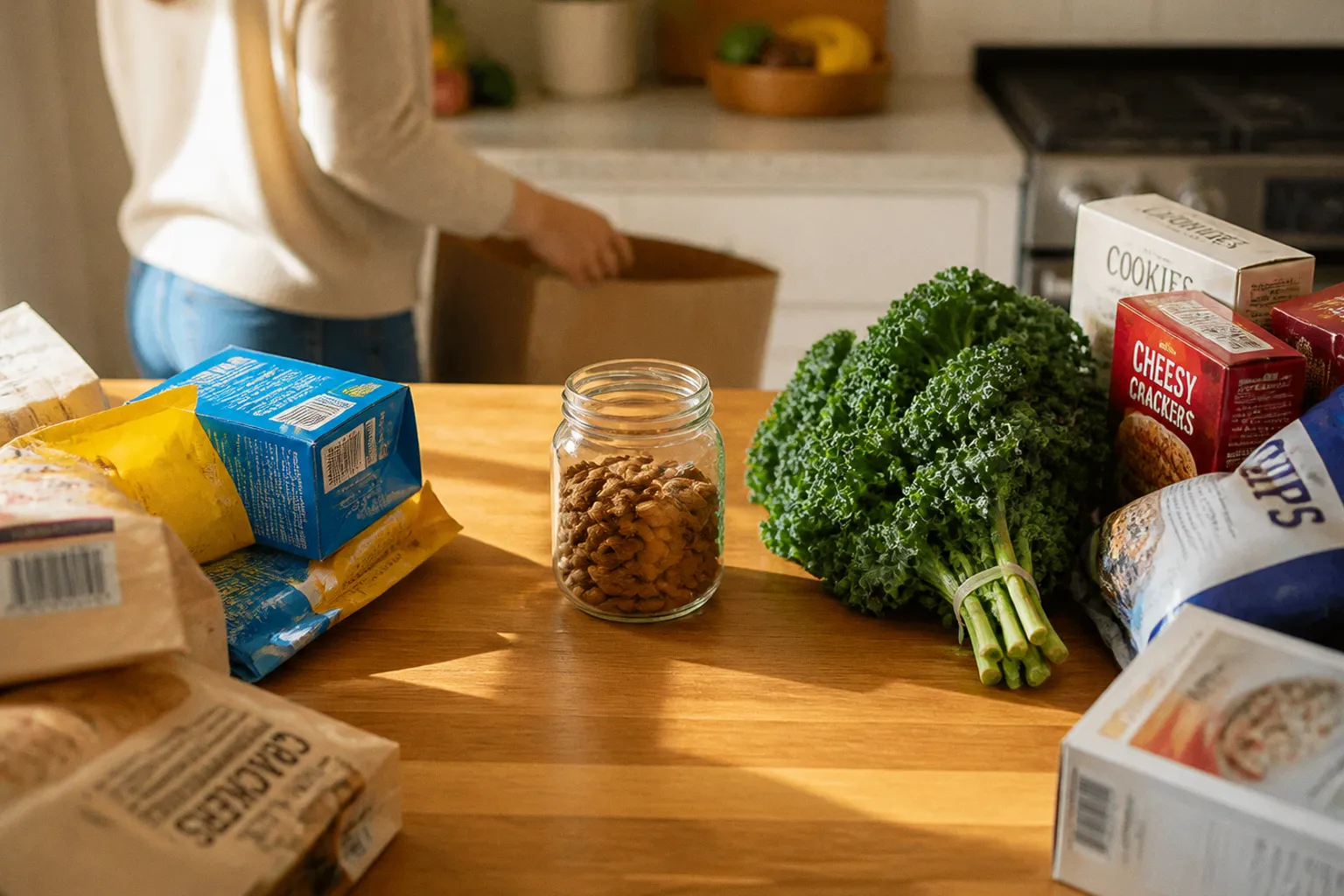
That forgotten sleeve of cookies in the back of the cabinet, the half-empty bag of chips you bought “for guests” three months ago, the BBQ sauce with an ingredient list longer than a Tolstoy novel — they are quietly calling the shots. And if you think a clean eating transition starts with a three-hundred-dollar grocery haul of obscure seeds and fermented powders, you are already broke and still off-track.
The practical version of a clean eating pantry prep checklist is much less glamorous: remove what keeps derailing you, inspect what remains, then rebuild around food you can actually use on a busy Tuesday. No exotic miracle ingredients. No forty-dollar wellness kits. Just real staples, smart swaps, and enough flavor to keep dinner from becoming a punishment.
A pantry makeover for clean eating is not about creating a picture-perfect kitchen. It is about reducing the number of bad decisions you have to make when you are tired, hungry, or standing in front of the refrigerator at 6:30 PM with no plan.
The Psychology of the Purge: Why Your Kitchen Layout Dictates Your Diet
Let us get one thing straight before we start tossing things into trash bags. Nutrition coaches love to talk about willpower, intention setting, and tracking macros until your eyes glaze over. But one of the most practical influences on what you eat is much less dramatic: what is physically sitting inside your house, and how easy it is to reach.
Nutrition coach John Berardi has described this idea as the First Law of Lifestyle Change: food that is in your possession or located in your home is eventually likely to be eaten by you or someone else in the household. The point is not that every food in your kitchen is destined to disappear immediately. The point is that availability changes the odds. If a highly palatable snack is always within reach, it will eventually become the easiest answer to boredom, stress, or a late-night craving.
Read that twice. This is not about moral failure. It is about geography.
A pantry stacked with cookies, chips, sweetened cereals, and heavily processed sauces will keep presenting the same options when your defenses are down. A pantry built around grains, legumes, nuts, canned fish, spices, oils, and other dependable staples makes a different choice easier. It does not eliminate cravings. It removes some of the negotiation that happens before the craving becomes a full meal.
Your pantry does not need a cleanse. It needs a reality check.
The purge also works because it gives your kitchen a clear job. If half of the shelves are occupied by food you bought for an imaginary future self — the person who will suddenly enjoy complicated baking projects, drink vegetable powders every morning, or finish the family-size bag of cereal responsibly — you do not have a functional pantry. You have storage for unresolved intentions.
Do not interpret this as a command to throw away every food that fails an internet definition of “clean.” That kind of perfectionism usually creates a short burst of control followed by an equally predictable rebound. The goal is to identify the foods that repeatedly lead you away from how you want to eat, then stop giving them premium shelf space.
Move the everyday staples to the front. Put occasional foods somewhere less convenient. If a product is expired, stale, rancid, or so unappealing that you keep ignoring it, let it go. The layout should reflect the meals you want to make, not the shopping decisions you made while hungry.
Executing the Audit: Identifying Hidden Additives and Expired Staples
Time to roll up the sleeves. Grab a trash bag, a notepad, and accept that this will take longer than you think — because the worst offenders are not always the obvious ones. You already know what the chips and cookies are doing. The quieter problem is the collection of products dressed up as wholesome, natural, light, or made with real ingredients.
A useful pantry audit checklist starts with four questions:
1. Is it safe and usable? Check for spoilage, leaks, damaged packaging, pests, stale texture, and rancid smells. A “best by” date is not automatically a safety deadline, but opened foods still deteriorate, and dry goods do not become immortal simply because they were shelf-stable when you bought them.
2. Will you actually use it? A bag of specialty flour is not a healthy pantry staple if it sits untouched for two years. Food that gets used belongs in the system. Food that repeatedly becomes clutter is not helping.
3. Does it support a meal? A product can be nutritious and still fail the practical test if you have no idea how to combine it with anything else.
4. Does the label match the role you want it to play? A breakfast bar that functions like candy should not be treated as a serious breakfast just because the package uses earthy colors and photographs an oat field.
Read the ingredient list, not the front label
Marketing language is designed to make a product sound better than the full formula deserves. “Natural,” “multigrain,” “light,” and “made with real ingredients” tell you very little on their own. Turn the package around.
Look at the ingredient list and nutrition panel together. You do not need to panic over every unfamiliar word. Lecithin, for example, may be used as an emulsifier, and “natural flavors” is a broad labeling category rather than a complete nutritional verdict. The question is whether the product is something you want to rely on every day, not whether one technical-sounding ingredient makes it poisonous.
Pay particular attention to:
- Added sugars appearing near the beginning of the ingredient list or showing up in several forms.
- Sauces and dressings that turn a simple meal into a heavily sweetened one.
- Snack foods where refined starch, oils, and sweeteners dominate the formula.
- Products marketed as protein-rich even though the serving provides little protein and plenty of sugar.
- “Fruit” snacks and flavored yogurts that contain more sweetener than actual fruit character.
- Seasoning blends that add a lot of sodium while contributing very little flavor complexity.
The ingredient list is not a purity test. It is a way to understand what you are buying and how often that food deserves to appear in your routine.
Check dates, storage, and freshness
Dates require judgment. Shelf-stable foods can remain usable beyond a quality date if they have been stored properly and the packaging is intact. That does not mean every old item is worth keeping. Opened nut butter can develop a stale, paint-like smell. Whole-grain flours and nuts contain oils that can turn rancid. Herbs and spices gradually lose aroma and strength. A jar of paprika that smells like dust is not helping dinner.
Use your senses, then use common sense:
- Discard anything with mold, an off smell, insect activity, moisture damage, or a broken seal.
- Write the opening date on products you use slowly, especially oils, nut butters, flours, and condiments.
- Store nuts, seeds, and whole-grain flours in a cool, dark place; refrigeration can extend freshness when you do not use them often.
- Buy spices in quantities you can use while they still smell like something.
- Rotate older goods to the front instead of adding new packages on top of them.
That bag of brown rice you bought years ago may technically still look like rice. That is not the same as making it a good investment of cabinet space.
Identify the sleeper items
The most deceptive pantry foods are not always the ones with cartoon characters on the box. They are the items that have earned a health halo and therefore escape scrutiny.
Bottled salad dressing can contain significant added sugar. Granola bars may be closer to candy bars than to a balanced snack. “Fruit” yogurt can be heavily sweetened. Condiments can list sugar among their first ingredients. Crackers labeled as whole grain may still be built primarily from refined flour.
A simple screen is to ask whether the product gives you something useful beyond sweetness, salt, or crunch. Does it contribute protein, fiber, flavor, or convenience that makes a real meal more likely? If not, it may be taking up space without earning it.
You can also use a practical rule for products you eat frequently: the shorter and clearer the ingredient list, the easier it is to understand what you are choosing. This is not a command to reject every food with more than five ingredients. A jar of pasta sauce, for example, may reasonably contain tomatoes, vegetables, oil, herbs, and several seasonings. Ingredient count alone is a blunt instrument. Context matters.
Strategic Restocking: Essential Whole-Food Building Blocks
Now the fun part — and yes, I know I called the purge unsexy, but restocking is where you set up the next several months of eating. The goal is not to buy everything. The goal is to buy the right things in combinations that let you assemble real meals without requiring a new recipe, a special shopping trip, and an hour of prep every night.
A healthy pantry staples list should cover the basic jobs of a meal: a source of protein, a source of carbohydrates, something with fiber, and ingredients that make the food taste worth eating.
Build around flexible staples
- Whole grains and useful flours: oats, brown rice, quinoa, farro, whole-wheat pasta, and whole-grain bread can cover breakfast, bowls, side dishes, and quick meals. Whole-wheat, oat, or almond flour may work well in specific recipes, but do not buy specialty flours simply because they sound virtuous. Buy the one you will use.
- Legumes and plant proteins: canned or dried beans, lentils, and chickpeas provide protein, fiber, and a reliable base for soups, salads, wraps, and grain bowls. Canned legumes are completely workable. Choose lower-sodium versions when available, and rinse them if that suits the dish.
- Nuts, seeds, and nut butters: look for products where the main ingredient is the food itself. Peanut butter can be peanuts with or without salt. Tahini can be sesame seeds. Chia, flax, pumpkin, and sunflower seeds can add texture and fat to oats, yogurt, salads, and baked dishes.
- Shelf-stable proteins: canned tuna, salmon, sardines, chicken, or other convenient proteins can rescue a meal when fresh food is unavailable. Convenience is not a nutritional failure. It is often the thing that keeps you from ordering takeout.
- Canned tomatoes and vegetables: tomatoes, pumpkin, corn, green beans, and other canned vegetables can form the beginning of a meal. Frozen vegetables deserve the same respect. They are often more useful than fresh produce that sits in the crisper until it becomes a science project.
- Breakfast and snack foundations: oats, plain popcorn kernels, unsweetened dried fruit, whole-grain crackers, and plain yogurt can support simple snacks without turning every afternoon into a vending-machine decision.
The important word is flexible. A good staple can appear in more than one meal. Oats become breakfast, an ingredient in muffins, or a thickener for a savory mixture. Chickpeas become salad, hummus, curry, or a crispy topping. Brown rice becomes a bowl today and fried rice tomorrow.
Be precise about “clean” swaps
Clean eating advice often turns a reasonable preference into a hierarchy of good and bad foods. That is where it becomes unhelpful. White rice is not a forbidden object, and almond flour is not automatically a better choice for every recipe. Whole grains tend to provide more fiber than refined grains, but the best staple is still the one that fits the meal and gets eaten.
The same applies to canned foods, frozen vegetables, dairy, and cooking fats. The pantry should support your actual diet, budget, culture, and schedule. If a food helps you cook more often and eat more consistently, it has a legitimate place in the kitchen.
| Category | Practical choice | Why it earns the slot |
|---|---|---|
| Grains | Oats, brown rice, quinoa, farro, whole-grain pasta | Flexible bases that can carry breakfast, bowls, soups, and side dishes |
| Legumes | Dried or canned beans, lentils, chickpeas | Protein, fiber, and dependable shelf life |
| Nut butter | Peanuts or another primary nut, with optional salt | Useful in breakfasts, sauces, snacks, and smoothies |
| Canned produce | Tomatoes, pumpkin, corn, green beans | Adds substance when fresh produce is unavailable |
| Convenient protein | Canned fish, chicken, eggs, or other ready-to-use options | Reduces the time between hunger and a balanced meal |
| Chocolate | Dark chocolate with a higher cocoa percentage and less added sugar | A satisfying treat without pretending that dessert is a vegetable |
Where chocolate actually fits
Dark chocolate is allowed to be enjoyable without becoming a moral badge. A higher cocoa percentage often means less room for added sugar, but the percentage is not a universal quality cutoff, and it does not tell you everything about the product. Two bars with the same cocoa percentage can differ in sweetness, serving size, and overall formulation.
Chocolate below 70% cocoa is not automatically disqualified, and it is not true that sugar must outweigh the cocoa in every such bar. However, lower-cocoa chocolate often contains more added sugar and tastes sweeter, so it is worth checking the nutrition panel and ingredient list rather than treating the number on the front as a guarantee.
Choose the bar you can enjoy in a sensible portion and actually like. If an intensely bitter bar makes you eat half the cabinet afterward, it has not improved your relationship with chocolate. The point is not to find the most severe option. The point is to make a deliberate choice.
Flavor Architecture: Clean Cooking Agents and Pantry Enhancers
This is where most clean eating guides fail spectacularly. They give you a list of approved ingredients, then leave you wondering why your chicken breast tastes like cardboard and your sad bowl of quinoa sparks no joy. The secret is not more ingredients. It is the right ones, deployed with intent.
A pantry can be nutritionally organized and still produce miserable food. That is how people abandon the whole project and decide that healthy eating is inherently boring. It is not. Bland cooking is usually a technique and seasoning problem, not a requirement of nutrition.
Start with a short list of flavor workhorses:
- Extra-virgin olive oil: useful for dressings, finishing, and many everyday cooking applications. Its grassy or peppery character can make plain beans, grains, and vegetables taste finished rather than merely assembled.
- A neutral cooking oil: choose one that works for the heat and flavor profile you use most often. You do not need to force one oil to do every job.
- Apple cider vinegar, red wine vinegar, or balsamic vinegar: acid brightens rich foods, balances sweetness, and wakes up grain bowls, roasted vegetables, and beans.
- Dijon mustard: useful in dressings, marinades, sandwiches, and sauces. It adds heat and helps emulsify oil and vinegar.
- Reduced-sodium soy sauce or tamari: a fast source of umami for rice, vegetables, eggs, tofu, and marinades. Use it as a seasoning, not as the entire sauce.
- Garlic powder, onion powder, cumin, smoked paprika, oregano, and chili flakes: a small spice foundation gives you several distinct directions without requiring a shelf of novelty blends.
- Tomato paste: a spoonful can deepen soups, beans, sauces, and braises.
- Broth or stock: useful for cooking grains, loosening sauces, and adding depth to quick soups. Choose the version that works with your sodium preferences.
- Fresh or dried herbs: dried herbs belong in longer cooking; fresh herbs and citrus are excellent finishing tools when a dish tastes flat.
The difference between eating “clean” and eating “sad” is almost always acid, fat, or heat — usually all three.
You do not need twenty artisanal mustards and a shelf of single-origin vinegars. You need a few ingredients that you understand well enough to use without hesitation.
The mistake I see constantly is people buying healthy ingredients and then cooking them as if they were boxed macaroni and cheese: boiled, under-seasoned, and abandoned halfway through the meal. Try seasoning in layers. Salt the cooking water or grains appropriately, bloom dry spices briefly in oil, add acid at the end, and finish with something fresh or crunchy. Those small decisions change the entire character of a meal.
A clean eating transition also becomes easier when the flavor system is reusable. A mustard-and-vinegar dressing works on greens, roasted vegetables, lentils, and grain bowls. Soy sauce, garlic, ginger, and a little acid can move the same rice-and-vegetable base in an entirely different direction. You are not building a restaurant pantry. You are building repeatable combinations.
From Pantry to Plate: Mastering the 15-Minute Meal Assembly
The whole point of this rebuild is to make cooking frictionless. If you still find yourself staring at the fridge at 6:30 PM wondering what to make, you may have bought ingredients without creating a system for using them.
The fifteen-minute meal principle does not mean every meal can be cooked from dry ingredients in fifteen minutes. Dried beans need time. Brown rice needs more time than a can of tuna. The point is that your pantry should work with basic preparation, leftovers, frozen vegetables, and ready-to-use foods so that dinner can be assembled quickly when you need it.
The formula is simple:
1. Pick a protein. Use eggs, canned beans, lentils prepared ahead, canned fish, tofu, leftover chicken, or another protein you can access quickly.
2. Pick a carbohydrate base. Choose brown rice, quinoa, oats, whole-grain bread, whole-wheat pasta, a baked potato, or leftover roasted sweet potato.
3. Add one or two vegetables. Fresh is fine, frozen is fine, and canned can be fine when drained or rinsed. The clean eating police are not coming for your frozen broccoli.
4. Apply a flavor direction. Olive oil and vinegar create one kind of meal. Soy sauce, garlic, and chili create another. Mustard, herbs, and lemon create a third.
5. Add contrast. A spoonful of seeds, toasted nuts, pickles, fresh herbs, or a crunchy vegetable can keep the meal from feeling like a pile of soft ingredients.
Here are a few combinations that require more assembly than invention:
- Chickpeas, quinoa, frozen spinach, olive oil, lemon or vinegar, cumin, and pumpkin seeds.
- Brown rice, canned salmon, frozen broccoli, reduced-sodium soy sauce, garlic, and chili flakes.
- Whole-grain toast, eggs, canned tomatoes, spinach, and a spoonful of plain yogurt or tahini.
- Lentils, canned tomatoes, broth, onion powder, smoked paprika, and a handful of greens.
- Oats, plain yogurt, nut butter, berries, cinnamon, and seeds for a breakfast that does not depend on a sweetened packet.
The formula is not a command to eat the same bowl every day. It is a way to eliminate the blank page. Once the basic components are available, you can change the seasoning, texture, temperature, or presentation and still work from the same foundation.
The fifteen-minute target becomes more realistic when you separate pantry preparation from meal assembly. Cook a grain in a batch. Wash or portion produce. Keep canned goods visible. Store frequently used spices together. Put the foods you want to eat at eye level and the occasional foods farther away. These are small environmental decisions, but they reduce the number of steps between hunger and a decent meal.
The reason this works is straightforward: when your pantry is built from boring, repeatable staples, decision fatigue loses some of its power. You stop negotiating with yourself about what to make. You stop defaulting to delivery because nothing sounds good. You have enough components to create something adequate, and adequate food made consistently beats an elaborate plan that never survives a busy week.
If your kitchen cannot produce a real meal in fifteen minutes, you do not have a clean pantry — you have a clean aesthetic.
That line is intentionally provocative, but the underlying point matters. A beautiful pantry full of specialty products is not a successful pantry if it leaves you reaching for takeout. Function comes before appearance.
Make the System Sustainable
The first audit is useful, but the pantry will drift again if you treat it as a one-time transformation. Food enters the house constantly. New snacks arrive from grocery trips, visitors, holidays, and optimistic purchases. The answer is not permanent vigilance. It is a light maintenance habit.
When you restock, look at what is already there before buying another version. Keep a short list of staples that genuinely disappear in your household. Notice which ingredients were supposed to be useful but never became part of a meal. Adjust the next shopping trip accordingly.
Your pantry does not need to resemble anyone else’s. A family that eats rice several times a week should keep rice. Someone who relies on canned soup during a demanding work season should find a version they enjoy and make it part of the plan. A person who dislikes quinoa does not become healthier by storing a large bag of it.
The best healthy grocery shopping prep is not about buying the most virtuous products. It is about shopping with enough structure to avoid both extremes: the impulse haul full of treats and the fantasy haul full of ingredients you will never use.
Before you shop, identify:
- Two or three proteins you can prepare or assemble quickly.
- Two dependable carbohydrate bases.
- Several vegetables that fit your schedule and storage space.
- A few sauces, spices, or acids that make those ingredients taste different.
- One or two satisfying treats that you can eat without turning them into contraband.
That is enough to create variety without creating clutter.
A clean pantry is not a flex. It is not a Pinterest grid. It is infrastructure: the unglamorous set of decisions that quietly influences whether you eat well for the next several months or repeat the same cycle of restriction, overeating, guilt, and starting over.
You do not need to be perfect. You do not need every ingredient on every clean-eating influencer’s list. Remove the foods that repeatedly work against you, restock with staples you will actually use, build a small arsenal of flavor, and make the next meal easier than the last bad decision.
The wellness industry will keep selling complicated solutions. You do not have to buy them. Buy oats, beans, vegetables, decent oil, useful spices, a protein you can reach for, and chocolate you genuinely enjoy. Build around that. Eat. Adjust. Repeat.
The boring part is the part that works.
FAQ
How do I start a clean-eating pantry makeover?
What should I check during a pantry audit?
What are good staples for a healthy pantry?
How can I make a healthy meal in fifteen minutes?
Are canned and frozen foods suitable for a clean-eating pantry?
How should chocolate fit into a clean-eating pantry?
More products
 Lulutox Detox TeaUSD25.95
 Matcha SuriUSD49