Mastering Bodyweight Training: A Mechanical Approach for Novice Strength
Three specialists. Three different outlets. Three overlapping prescriptions, all pointing at the same mechanical floor: bodyweight work, executed as compound patterns, is the load a novice can actually tolerate.
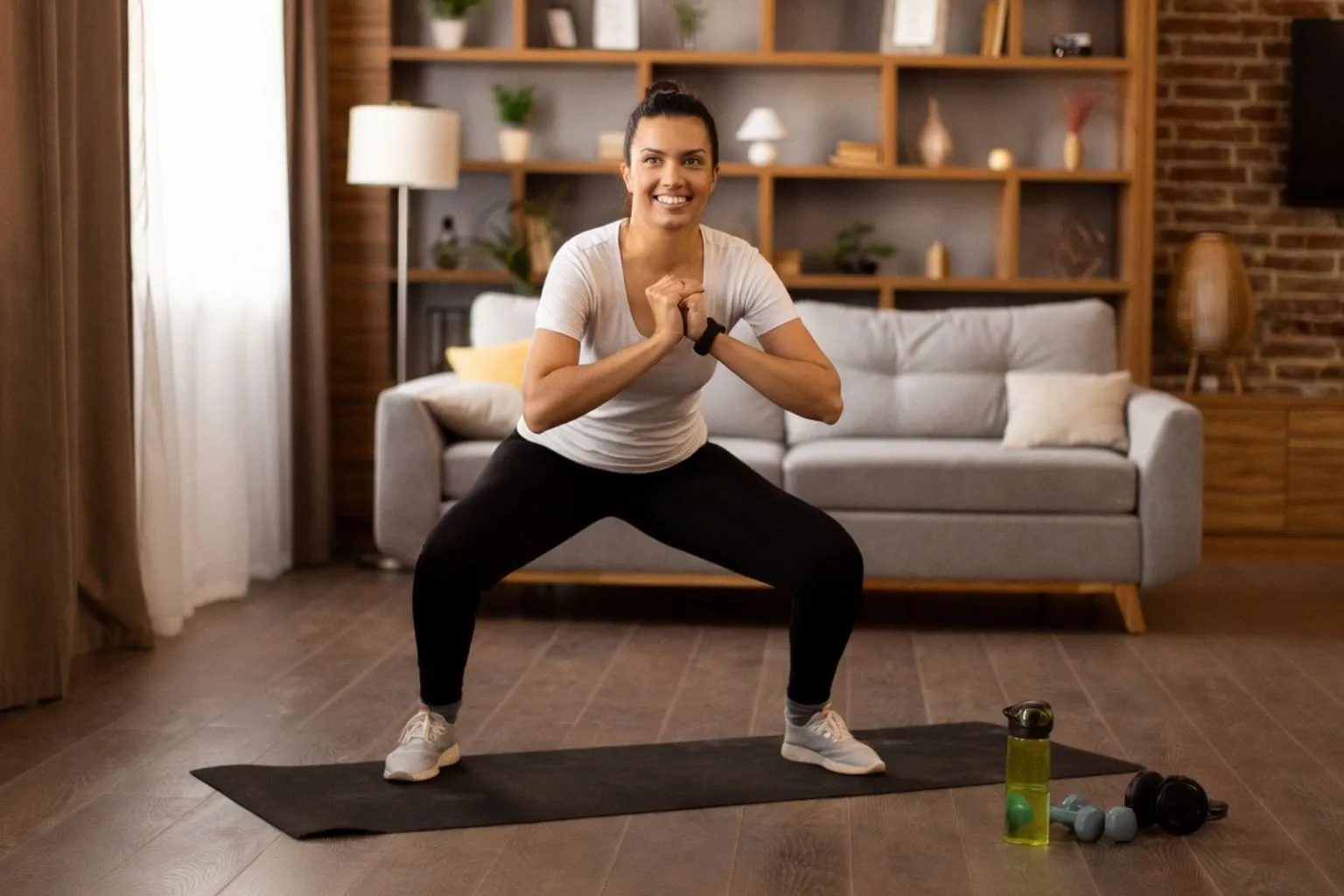
Yahoo Life UK, Fit&Well, and Tom's Guide each surfaced beginner-facing bodyweight protocols in recent days — each framed differently, each anchored to the same kinematic reality.
The Convergence
Olympian Sally Gunnell, 60, shared a five-exercise full-body strength protocol in coverage carried by Yahoo Life UK. A barre instructor, writing for Fit&Well, outlined a four-move circuit targeting muscular endurance and functional strength for beginners. A kinesiologist consulted by Tom's Guide listed five bodyweight movements specifically calibrated for readers over 60. Three populations — general beginners, older trainees, the functionally trained — converging on closed-chain movement as the baseline.
The mechanics are not optional. A beginner without sufficient neural drive cannot meaningfully isolate a muscle under tension. The stimulus has to travel through a kinetic chain: squat, hinge, push, pull, brace. Anything else recruits stabilizers as prime movers and prints the error into the pattern.
What the Syndicated Coverage Omits
The published pieces, as carried in our feed, do not surface full rep schemes, tempo prescriptions, or load progressions. That omission is mechanically meaningful. A bodyweight program absent those variables relies entirely on execution: depth in the squat, control at end-range, breath timing, bilateral symmetry. Without them, intensity plateaus within weeks and the trainee is performing reps, not generating a stimulus.
For any novice selecting from these recommendations, the filter is mechanical, not stylistic:
- Neutral spine under load — no lumbar flexion through squat or hinge
- Full hip hinge — posterior chain engaged, not the lumbar erectors
- Scapular control — packed and stable through any push or pull
- Symmetry — equal force output per side, no rotation or lateral shift
- Breath bracing — intra-abdominal pressure established before the rep
One failure across this checklist and the movement becomes a compensation pattern.
Implementation Filter
Before adopting any drill from these published lists, apply four checkpoints:
1. Joint demand — multi-joint closed chain, not single-joint isolation under external load.
2. Range of motion — partial range acceptable only if end-range control is the explicit goal.
3. Regression present — a program without a regression is not a beginner program.
4. Recovery window — soreness beyond 72 hours signals mechanical error, not adaptation.
Bodyweight training is not a bypass around strength fundamentals. It is the cleanest mechanical laboratory for them. The current cluster of beginner coverage confirms this premise, even where the headlines leave the variables unstated.