Overnight oats for muscle gain: balancing macros and texture
You did everything right. You scooped oats into a jar the night before, added milk, promised yourself a 30-gram protein breakfast—and woke up to something that tasted great but delivered closer to 8 grams of protein. The carbs checked the box.
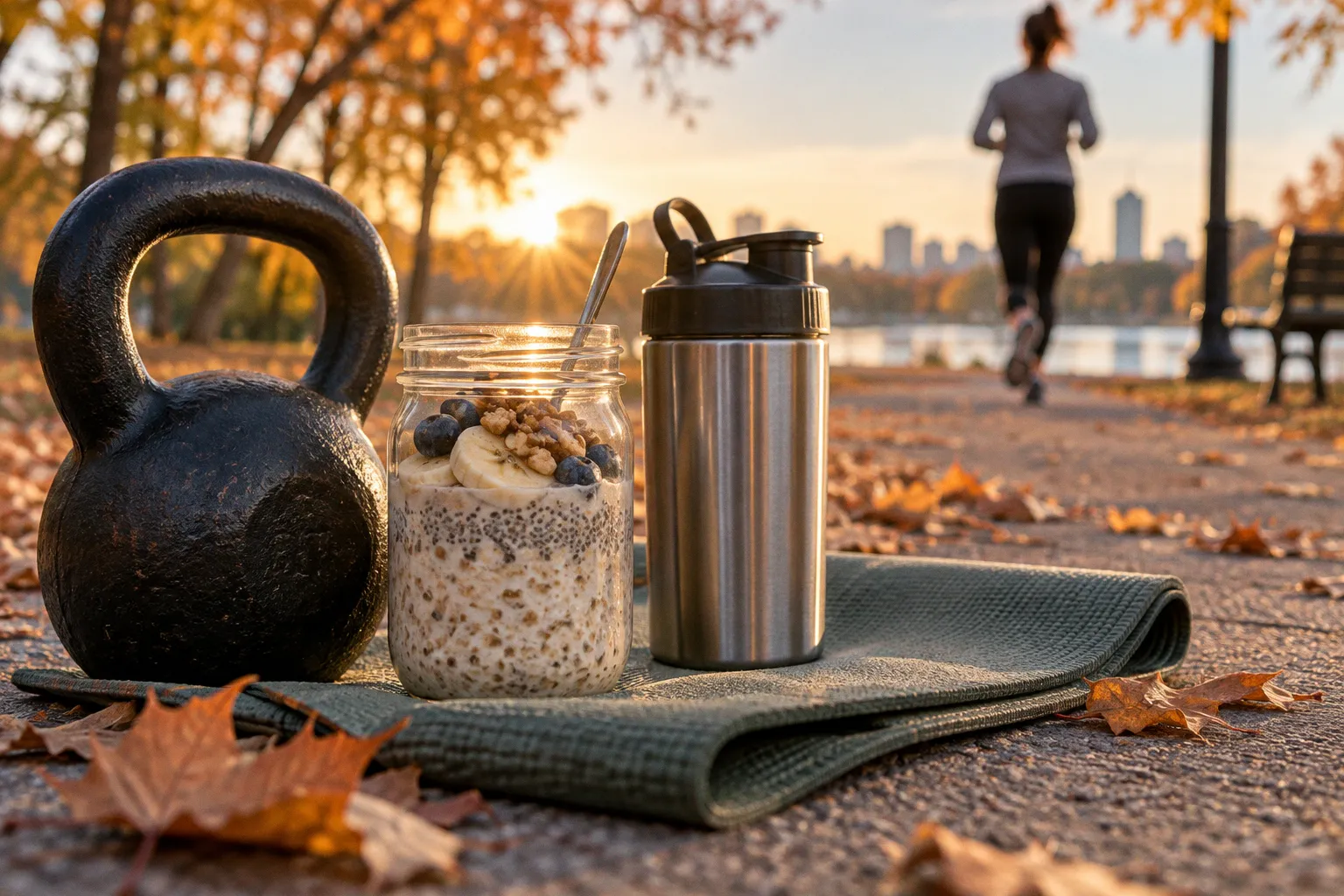
The macros did not.
If you have been treating overnight oats like a serious muscle-building meal when they are really a carb delivery system with oat sprinkles, you are not alone. This is the most common friction point in oat-based breakfasts: the gap between what the meal is supposed to deliver and what it actually delivers on the protein side.
The good news is that overnight oats are an excellent platform for a high-protein breakfast. They hold their texture, travel well, and let you adjust calories without rebuilding the meal from scratch. The shift from “tasty snack” to reliable training fuel comes down to three things: hitting your protein target, managing the liquid ratio, and choosing protein sources that do not sabotage the mouthfeel.
Oats give you the slow-burning chassis. Protein sources give you the engine. You are engineering both.
The Math of Muscle-Building Oats: Hitting the 30g Protein Target
Let’s start with the number that breaks most recipes. A standard serving of old-fashioned rolled oats—about ½ cup dry—provides roughly 5 grams of protein. That is a useful base, but it is not a complete muscle-building breakfast. If your meal target is 25 to 30 grams of protein, the oats themselves cover only a fraction of it. The rest has to come from deliberate additions.
This is where many home recipes fall apart. They rely on the oat base, add a banana, drizzle in some nut butter, and call the jar high-protein. The result may land somewhere around 12 to 18 grams, depending on the ingredients. That is not a bad breakfast. It is simply not a 30-gram breakfast.
The more useful way to build the jar is to assign each ingredient a job:
- Anchor the protein with one concentrated source. Greek yogurt, cottage cheese, whey, or casein can provide most of the protein target in one move.
- Add a secondary protein source when needed. Milk, extra yogurt, hemp seeds, or a smaller amount of protein powder can close the remaining gap.
- Use fats and carbohydrates to support the training goal. Nut butter, fruit, and seeds can increase energy density, but they should not be mistaken for the main protein strategy.
- Check the total before refrigerating. The jar is easier to adjust while the ingredients are still separate than it is in the morning, when the mixture has already thickened.
For a moderate calorie surplus aimed at gradual muscle gain, 25 to 30 grams of protein in the jar is a practical target. During a higher-calorie gaining phase, a 40-gram jar can also make sense, particularly when the oats are replacing a larger breakfast. The right number depends on your overall daily intake, body size, training schedule, and how the meal fits into the rest of the day.
Useful protein building blocks
| Protein source | Approximate protein per serving | What it contributes beyond protein |
|---|---|---|
| Plain rolled oats, ½ cup dry | ~5 g | Carbohydrates, fiber, chew |
| Greek yogurt, ¾ cup | ~15–20 g | Creaminess, tang, calcium |
| Whey isolate, 1 scoop | ~20–25 g | Concentrated protein with little added volume |
| Casein, 1 scoop | ~20–25 g | A thick, pudding-like texture |
| Cottage cheese, ½ cup | ~14 g | Creaminess and a slower-digesting dairy protein |
| Hemp seeds, 2 tablespoons | ~6 g | Healthy fats, minerals, slight crunch |
| Chia seeds, 1 tablespoon | ~2 g | Fiber, healthy fats, strong thickening power |
The point is not to use every row. It is to understand the building blocks and stack them with intention. Oats plus Greek yogurt can approach or exceed 20 grams. Add whey, and the jar moves comfortably past 30 grams. Oats plus whey and a spoonful of nut butter can also reach a high-protein target, although the nut butter contributes far more fat and calories than protein.
The same logic applies to plant-based versions. A plant protein powder can anchor the recipe, while soy milk, a higher-protein plant yogurt, or hemp seeds can provide a secondary contribution. The exact total will depend on the label of the powder and milk, so the package information matters more than a generic recipe estimate.
Mastering the 1:1 Ratio for Perfect Overnight Oat Consistency
Texture is where most high-protein overnight oats either work or fail. The ingredients that make the macros more attractive also change how the oats absorb liquid. Add Greek yogurt and protein powder without changing anything else, and you may wake up to cement. Add too much milk, and you may get sweet soup.
The baseline rule that works for many versions is a 1:1 ratio of liquid to oats by volume. For ½ cup of dry oats, begin with about ½ cup of milk or another pourable liquid. This is a starting point, not a law. Protein powder, yogurt, chia, flax, fruit, and nut butter all shift the final texture.
A few adjustments make the ratio more useful:
- Greek yogurt adds moisture and body, but not in the same way as milk. It increases the wet volume of the jar while also making the mixture thicker. If you add ¾ cup of yogurt, you may not need as much milk as you would for oats alone.
- Whey powder absorbs some of the available liquid. Pre-mixing it with the milk helps, but the mixture may still need an extra splash if it looks unusually thick before refrigeration.
- Casein thickens more aggressively than whey. It often works best with a little more liquid at the beginning, even if the jar looks loose when first mixed.
- Cottage cheese behaves like a thick wet ingredient. Blending it first produces a smoother jar; leaving it partly intact creates small curds and a more textured bite.
- Chia seeds change the recipe substantially. One tablespoon contributes about 2 grams of protein, not 5, but its greater impact is on liquid absorption. It can turn a spoonable mixture into pudding overnight.
- Nut butter adds density without behaving like a liquid. It can make the jar feel heavy and sticky, so a small amount of additional milk may improve the final consistency.
A practical mental model is to separate the ingredients into two groups. Yogurt, cottage cheese, and blended fruit contribute wet volume. Whey, casein, chia, flax, hemp, and oats compete for available moisture. When several of the second group appear together, start with enough liquid to keep the mixture loose before refrigeration.
The best consistency is usually slightly thinner than the texture you want to eat. Oats continue absorbing liquid overnight, and protein powder continues changing the structure of the mixture. If the jar already looks stiff when you seal it, it is likely to be too thick in the morning.
Build the jar around the protein first, then adjust the liquid to fit. The oats are the chassis; the protein is the engine.
How to adjust the jar the next morning
If the oats are too thick, add milk one tablespoon at a time and stir from the bottom. This is more effective than pouring in a large amount at once, which can leave the top loose and the center compact.
If they are too thin, do not automatically add more oats. A spoonful of Greek yogurt, a small amount of chia, or a little casein can thicken the mixture while also contributing to the intended macro profile. Extra oats will work, but they also add carbohydrates and may leave the jar chewy rather than creamy.
Temperature matters as well. Very cold oats feel firmer and denser than oats left on the counter for a few minutes. If the jar is difficult to stir straight from the refrigerator, give it a brief rest before changing the recipe.
Strategic Protein Integration: Whey, Casein, and Greek Yogurt
Choosing a protein source is not only a flavor decision. Each option reshapes the jar, and the best choice depends on the meal’s timing, your digestion, and the texture you actually enjoy eating.
Whey: the efficient anchor
Whey isolate is the workhorse of protein oats. It delivers a concentrated amount of protein without adding much volume, and it generally mixes cleanly when combined with liquid first. A scoop often contributes around 20 to 25 grams of protein, but the label is the final authority because products vary.
Its main texture weakness is that whey does not create much body on its own. A jar built around oats, milk, and whey may remain relatively loose, particularly if the oats are not given enough time to absorb the liquid. Greek yogurt, mashed banana, or a small amount of chia can provide more structure.
Whey is useful when you want a lighter, cleaner-tasting jar or when the oats are part of a meal after training. It also works well when you are trying to raise protein without adding much additional fat.
Casein: the thickener
Casein behaves differently. It absorbs liquid and tends to create a thick, pudding-like texture. That can be an advantage in overnight oats, especially if you prefer a dessert-like consistency or want the jar to feel more substantial.
The trade-off is that casein can become overly dense when combined with chia, a large amount of oats, or thick Greek yogurt. Start with a little more liquid than you think you need, mix thoroughly, and judge the texture again before adding anything else.
Casein is often associated with evening meals because it digests more slowly than whey, but the practical choice is broader than that. If the texture works for you and the meal fits your daily intake, casein can be used at any time.
Greek yogurt: the most balanced option
Greek yogurt is the hybrid choice. It contributes a meaningful amount of protein, adds tang and creaminess, and gives the jar body without requiring a powder. A ¾-cup serving commonly provides around 15 to 20 grams, depending on the brand and style.
For many people, oats plus Greek yogurt plus a modest amount of whey is the easiest route to both a high-protein total and a pleasant texture. Yogurt also contributes calcium and, when the product contains live cultures, beneficial bacteria. It is not necessary to use every available protein source; yogurt alone may be enough when paired with milk and oats, while a half scoop of whey can close the remaining gap.
Cottage cheese: smooth or textured by choice
Cottage cheese works well when blended before it goes into the jar. Blending removes the curds and creates a texture similar to thick yogurt. If you skip that step, the curds remain noticeable, which some people like and others find distracting.
It is a useful option when you want a slower-digesting dairy protein without relying on powder. Pairing cottage cheese with fruit, cinnamon, or cocoa can soften its savory edge.
A simple framework is to choose one concentrated protein source as the anchor, then add a smaller secondary source only if the numbers require it. Stacking whey, casein, Greek yogurt, cottage cheese, and seeds into one jar is rarely an improvement. The protein total may rise, but the texture becomes harder to control and the flavor less focused.
Eliminating Grittiness: Advanced Mixing Techniques for Smooth Texture
The most common complaint about high-protein overnight oats is chalkiness. The powder settles into sandy pockets, and no amount of morning stirring completely fixes the problem. The grittiness usually does not come from the oats. It comes from how the protein powder was introduced.
When powder is dropped directly onto milk or yogurt, the outside of each clump hydrates first. It can turn gummy while the center remains dry. Once that clump is pressed into the bottom of a jar, the remaining dry powder is difficult to break up.
The fix is mechanical rather than complicated: mix the protein powder with the liquid before the oats and thick ingredients are added.
1. Use a shaker bottle for whey. Combine the milk and protein powder, then shake until the liquid looks uniform. Pour it over the oats rather than adding the dry powder to the jar.
2. Whisk casein separately. Casein thickens quickly, so whisk it into the liquid before adding yogurt, chia, or nut butter. Give it a moment to hydrate, then check whether it needs another splash of milk.
3. Blend cottage cheese if you want a smooth base. A blender or food processor removes the curds and distributes the protein evenly through the mixture.
4. Mix dry ingredients before adding liquid. If the jar contains oats, chia, flax, cocoa, and protein powder, combine them first. This prevents chia or cocoa from forming isolated clumps that are difficult to reach later.
5. Scrape the bottom and corners. A narrow jar can hide dry powder below the oats. Stir from the bottom, not only across the surface.
6. Let the mixture rest briefly before sealing. A few minutes gives the powder time to hydrate and makes it easier to identify whether more liquid is needed.
Once the liquid-protein blend is smooth, add the oats and other ingredients. Hydration happens more evenly because the powder is already dispersed. By morning, the jar should have a uniform texture instead of dry pockets and gummy streaks.
This technique also lets you adjust flavor before the oats soak. Taste the liquid mixture before adding the chia and fruit. Protein powders vary considerably in sweetness, and a flavor that seems mild in the dry powder can become intense once concentrated in a small jar.
Building a High-Calorie Jar: Adding Healthy Fats and Complex Carbs
When the goal shifts from maintenance to gaining, protein is only one part of the calculation. The jar also needs enough energy to support the rest of the day. A 30-gram protein jar can work well at moderate calories, while a higher-calorie version may be more useful on demanding training days or when overall intake has been difficult to maintain.
Adding fats is one of the easiest ways to increase calories without making the portion enormous. They also change satiety and texture, so the choice should be intentional.
- Nut butter adds dense calories, flavor, and a modest amount of protein. Peanut, almond, and cashew butter all work, but they can make the mixture sticky. Stir them into the milk or yogurt rather than leaving a thick layer at the bottom.
- Chia seeds add fiber and healthy fats while thickening the jar. Remember that one tablespoon provides about 2 grams of protein, not 5. Their main structural effect is moisture absorption.
- Ground flaxseed contributes fiber and a mild nutty flavor. It thickens the mixture less dramatically than chia and pairs well with apple, cinnamon, and vanilla.
- Hemp seeds provide healthy fats and about 6 grams of protein per two tablespoons. They work especially well as a topping when you want some crunch.
- Tahini brings a savory, slightly bitter note that pairs well with cocoa, banana, and a pinch of salt.
Fats are not a replacement for a concentrated protein source. Nut butter can make the jar feel like a muscle-gain meal, but its protein contribution is modest relative to its calorie contribution. If the target is 30 or 40 grams, start with the yogurt, whey, casein, or cottage cheese calculation first.
Choosing the carbohydrate additions
The oats already provide the main carbohydrate base, but fruit can change the flavor, texture, and timing of the meal.
- Banana adds sweetness, potassium, and a soft texture. Mashed banana blends into the base, while slices remain more distinct.
- Berries contribute acidity and contrast. They hold their shape reasonably well overnight, although frozen berries release more liquid as they thaw.
- Apple and cinnamon create a firmer, fresher bite. Dice the apple small so the pieces soften without disappearing.
- Dates or raisins add concentrated sweetness and chew, but they can make the jar taste much sweeter than expected.
- Cocoa powder gives the mixture a richer flavor, though it also absorbs liquid and may require an extra splash of milk.
For a high-calorie jar, combine the ingredients according to the day rather than adding everything automatically. Oats, Greek yogurt, a scoop of whey or casein, nut butter, fruit, and seeds can create a substantial meal. If that combination becomes too thick, increase the liquid gradually. If it becomes too large to finish comfortably, move some of the fats or fruit to another meal instead of forcing the jar to carry the entire calorie surplus.
Overnight Oats Meal Prep for Athletes
Overnight oats are particularly useful for athletes because the meal can be assembled before the morning rush. But meal prep works best when the texture is designed for storage rather than treated as an afterthought.
For a batch of jars, keep the base consistent and vary the flavor at the end. Mix the oats, liquid, and protein source evenly, then divide the mixture before adding different fruits, spices, or toppings. This makes the macro calculation easier and prevents one jar from receiving most of the nut butter while another receives mostly liquid.
A few storage details matter:
- Add crunchy toppings such as hemp seeds, nuts, or cacao nibs shortly before eating if you want them to retain their texture.
- Keep delicate fruit separate when possible. Berries usually hold up well, while cut banana becomes softer and darker.
- Label jars when you prepare different versions. Whey and casein can look similar but may require different amounts of liquid.
- Recheck the texture after storage. A jar intended for the third day may need more liquid than one eaten the next morning.
- Do not assume every protein powder behaves the same way. Even two whey products can vary in sweetness, solubility, and thickening.
The most repeatable system is not a single rigid recipe. It is a base formula that you understand well enough to adjust: oats for carbohydrates, one anchor protein, enough liquid for the ingredients that compete for it, and fats or fruit according to the calorie target.
Putting It Together: Your First High-Protein Jar
Here is a practical starting point for a jar that clears the 30-gram target and demonstrates the mixing method.
The 30-Gram Anchor Jar
- ½ cup old-fashioned rolled oats: approximately 5 grams of protein
- ½ cup milk of choice
- ¾ cup plain Greek yogurt: approximately 17 grams of protein
- 1 scoop whey isolate: approximately 25 grams of protein
- 1 tablespoon chia seeds: approximately 2 grams of protein
- ½ banana, sliced
- Cinnamon and vanilla, optional
Method: Shake or whisk the whey with the milk until smooth. Pour the mixture into a jar. Stir in the Greek yogurt until the base is uniform, then add the oats, chia, banana, cinnamon, and vanilla. Mix from the bottom, seal the jar, and refrigerate overnight.
The protein total is not 35 to 40 grams. Using the listed amounts, the oats, Greek yogurt, whey, and chia already contribute approximately 49 grams before counting the small amount in the banana. Depending on the specific brands and serving sizes, the finished jar will generally land around 49 to 50 grams of protein.
That recalculation matters. The whey and yogurt do most of the work; the chia is a supporting ingredient, not a five-gram protein source. If nearly 50 grams is more than you need in one meal, use a smaller scoop of whey or reduce the yogurt. If you want a lighter jar, the oats, Greek yogurt, and milk may be enough, depending on the protein content of the milk and yogurt you buy.
The texture should be thick but stirrable. If it looks firm before refrigeration, add a tablespoon of milk. If it is loose in the morning, let it sit for a few minutes before adjusting; the oats may continue to absorb liquid as they warm slightly.
From there, adjust the jar to match the training day:
- Add nut butter when you need more calories and enjoy a denser texture.
- Swap whey for casein when you prefer a thicker jar or want a slower-digesting protein source.
- Add berries for acidity and contrast, or banana for a softer, sweeter base.
- Use blended cottage cheese in place of some of the yogurt if you want a different dairy protein.
- For a dairy-free version, use a plant-based protein powder and a higher-protein plant milk, then check the labels rather than assuming the protein total will match whey and dairy yogurt.
The point of overnight oats for muscle gain is not to produce one perfect jar that never changes. It is to remove morning friction while keeping the important variables visible. Once the protein math is correct, the liquid ratio is adjustable, and the powder is properly mixed, the meal becomes easy to repeat without turning breakfast into a daily experiment.
A good jar should support the training plan, not distract from it. Build the protein target first, protect the texture, then add the calories your day actually requires. That is the difference between oats that merely taste healthy and overnight oats that genuinely earn a place in a muscle-building routine.
FAQ
How much protein should I aim for in my overnight oats for muscle gain?
Why do my overnight oats turn out gritty or chalky?
What is the best liquid-to-oat ratio for overnight oats?
Can I use plant-based protein in overnight oats?
How do I fix overnight oats that are too thick in the morning?
Does the type of protein powder change the texture of the oats?
More products
