High protein meal prep: a roadmap to consistent weekly nutrition
The hardest part of eating well during a busy work week is rarely knowing what a healthy meal looks like.
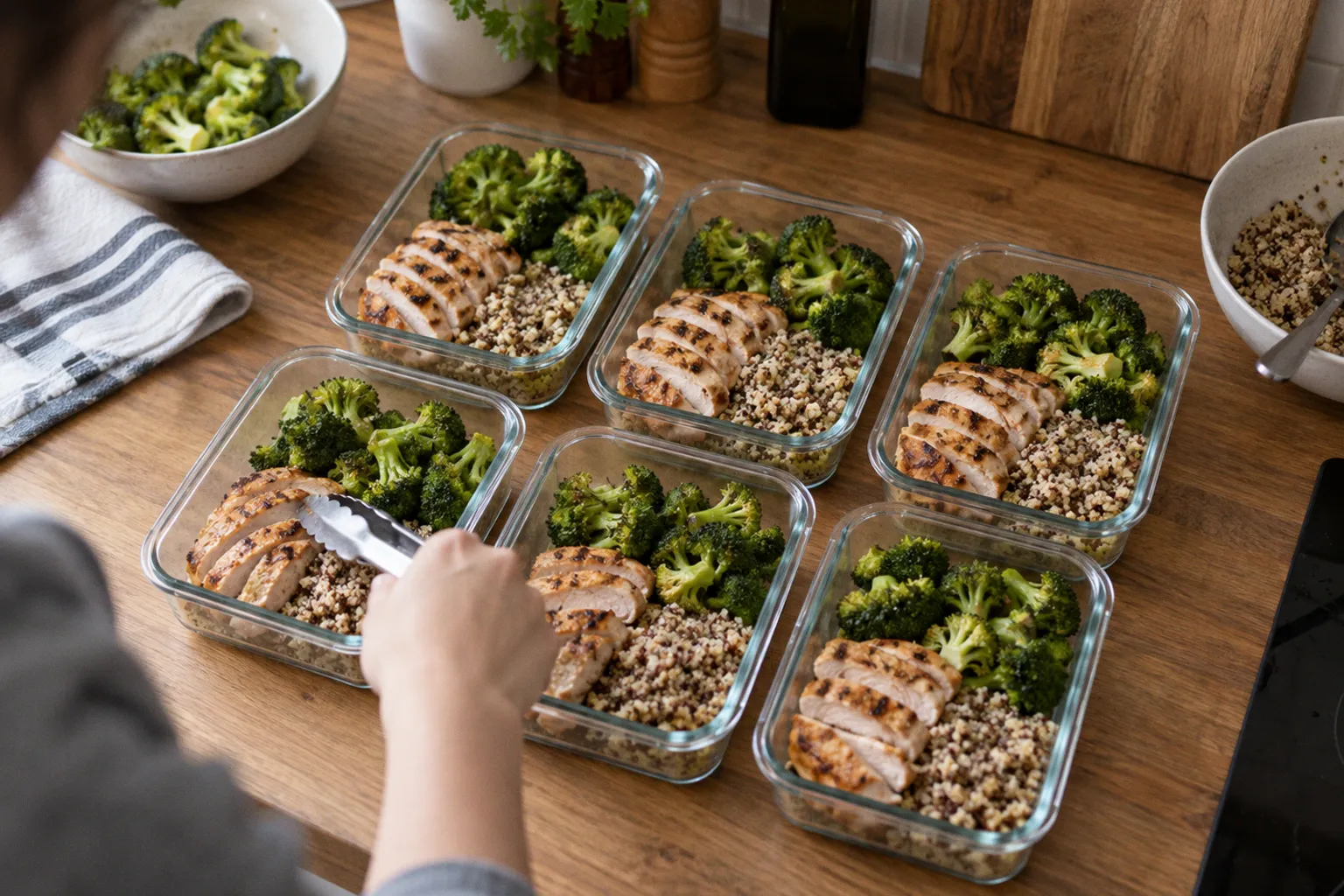
The friction usually arrives at 12:30 p.m., when you are between meetings, genuinely hungry, and facing either an empty refrigerator or a meal that contains plenty of calories but very little protein.
High protein meal prep for busy work weeks solves that problem by moving the decision earlier. Instead of relying on motivation at every meal, we build a small system: choose a protein base, add slow-burning carbohydrates and vegetables, prepare food in batches, and store it safely enough that the plan still works by Thursday.
This is not about eating the same chicken and rice every day or forcing one universal protein target onto every body. Your ideal intake depends on factors such as body size, training load, goals, appetite, and health context. The practical starting point is simpler: create meals that are satisfying, repeatable, easy to reheat, and substantial enough to support your energy through the afternoon.
Start with the meal you need most
Meal prep becomes much easier when we stop trying to prepare an entire perfect week. Most people do not need seven identical breakfasts, five identical lunches, and a freezer full of carefully portioned dinners. We need a reliable answer to the meal that most often goes off track.
For many professionals, that meal is lunch. A workday lunch designed around approximately 25–40 grams of protein per serving is a useful general range for many high-protein meal prep options, particularly when it is paired with fiber-rich or low-glycemic carbohydrates and a source of healthy fat. That range is not a personal prescription. It is a practical planning reference that helps prevent the common pattern of eating a very light breakfast, rushing through lunch, and arriving home ravenous.
A balanced meal usually has four working parts:
- A clear protein anchor: chicken, turkey, lean beef, fish, shrimp, eggs, Greek yogurt, cottage cheese, tofu, tempeh, beans, or a combination of plant proteins.
- A carbohydrate source that supports activity: potatoes, brown rice, oats, quinoa, whole-grain pasta, beans, fruit, or another minimally processed option that suits your digestion and preferences.
- Vegetables or fruit for volume and micronutrients: roasted vegetables, leafy greens, peppers, tomatoes, broccoli, berries, apples, or whatever you will genuinely eat.
- A satisfying fat source: olive oil, avocado, tahini, nuts, seeds, or a measured dressing.
The point is not to make every container mathematically identical. The point is to make the meal predictable enough that it supports your appetite and energy instead of creating another decision during a crowded day.
Build around the protein, not around the recipe name
Many meal-prep recipes look healthy because they include vegetables or use attractive ingredients. That does not automatically make them high protein. A vegetable pasta, grain bowl, or soup may be nutritious and still leave you hungry two hours later if the protein portion is incidental.
We can reverse the usual process:
1. Choose the protein you want to prepare.
2. Decide how many meals it can realistically cover.
3. Add a carbohydrate that reheats well.
4. Add vegetables in a form that will not become unpleasant by day three.
5. Finish with a sauce or topping that keeps the meal flexible.
This structure gives us more freedom than following a recipe exactly. One tray of roasted chicken can become a rice bowl, a wrap filling, a salad topping, or a quick dinner with potatoes. One batch of lentils can work in a warm bowl, soup, or grain salad. The ingredients stay familiar while the meals feel less repetitive.
A good meal-prep system does not remove choice from your week; it saves your choice for the parts of the day when it is actually useful.
Design meals for sustained focus, not just high protein
Protein gets the headline because it is often the missing piece in rushed meals. But a protein-rich lunch is not automatically a good workday lunch. If it is too small, too low in carbohydrates, or difficult to digest, you may still experience the familiar afternoon slump.
A more useful approach is to ask what the meal needs to do between lunch and dinner. If you have an afternoon workout, the meal may need a more generous carbohydrate portion. If you spend the afternoon in back-to-back meetings, you may want enough volume and fiber to keep hunger steady. If rich foods make you sluggish, a lighter sauce and less added fat may work better than a heavier meal-prep dish.
A practical meal-building framework
Use the following as a flexible planning map rather than a rigid formula:
| Meal component | Practical role | Examples that hold up in meal prep |
|---|---|---|
| Protein anchor | Supports fullness and helps make the meal substantial | Chicken, turkey, salmon, tuna, lean beef, shrimp, eggs, tofu, tempeh, Greek yogurt |
| Slow-burning carbohydrate | Supports work and training energy | Potatoes, rice, quinoa, oats, beans, whole-grain pasta, fruit |
| Vegetables or fruit | Adds volume, fiber, color, and texture | Broccoli, carrots, peppers, green beans, spinach, cabbage, berries, apples |
| Healthy fat | Improves satisfaction and flavor | Olive oil, avocado, tahini, nuts, seeds, yogurt-based sauces |
| Sauce or seasoning | Prevents repetition and makes simple food easier to enjoy | Lemon-herb dressing, salsa, curry sauce, pesto, yogurt sauce, chimichurri |
The meal does not need to contain every possible “clean eating” ingredient. It needs to be coherent. A bowl of lean protein, rice, roasted vegetables, and a flavorful sauce will usually serve you better than a complicated recipe with ten ingredients that you do not want to prepare again.
This is where many healthy meal prep strategies for weight loss become unnecessarily restrictive. If the meal is so small or plain that you are searching for snacks immediately afterward, the plan is not creating balance. It is creating rebound hunger. We can reduce overall intake without making every meal feel like a punishment: use satisfying portions, keep sauces intentional, include protein consistently, and leave room for foods you enjoy.
Plan for the way food changes over time
Some foods become better after a day in the refrigerator. Others lose their texture quickly.
Meals that generally tolerate batch cooking well include:
- Chili, lentil stew, and bean-based dishes
- Turkey or chicken meatballs
- Roasted chicken with potatoes and vegetables
- Beef, tofu, or shrimp stir-fries, with sauces stored separately where possible
- Grain bowls assembled with fresh greens added later
- Egg muffins or baked egg dishes
- Cooked grains paired with freshly added protein and vegetables
For salads, keep wet ingredients separate when you can. Store dressing, avocado, crunchy seeds, and delicate greens apart from warm grains or roasted vegetables. This small adjustment often determines whether a prepared lunch still feels appealing on the third day.
Batch cooking high protein recipes without taking over your weekend
Batch cooking should reduce work, not become a second job. The most sustainable method is usually to prepare components rather than one large recipe that must be eaten in exactly the same form all week.
A useful session might include:
- One or two protein bases
- One cooked grain, potato, or other carbohydrate
- One tray of roasted vegetables
- One fresh vegetable component
- One sauce or dressing
- One quick protein option for emergencies
This gives us enough structure for several meals without demanding hours of detailed portioning. It also protects against taste fatigue. Chicken can be seasoned with lemon and herbs for one meal, then combined with salsa or a yogurt sauce for another. Tofu can move from a stir-fry to a grain bowl. Greek yogurt can serve as breakfast, a snack, or the base of a savory sauce.
A step-by-step prep rhythm
1. Choose meals based on your calendar
Look at the week before you choose recipes. If Wednesday is filled with meetings, prepare a lunch that can be eaten cold or reheated in a few minutes. If you train after work, include a meal or snack that will not feel overly heavy before exercise. If you eat out one evening, do not prepare seven portions as though every dinner will happen at home.
This is a small behavioral shift, but it matters. We are not preparing for an imaginary perfect week. We are preparing for the week we are actually likely to have.
2. Select proteins with different levels of effort
Use one protein that can cook in bulk and one that requires little or no cooking. For example, a batch of roasted chicken can anchor lunches, while Greek yogurt, canned tuna, eggs, cottage cheese, tofu, or ready-to-eat beans provide backup options.
A backup protein is not a sign that the plan failed. It is part of the plan. The less often we treat convenience as a moral issue, the more consistently we can use it to support our goals.
3. Cook components in overlapping stages
Start with the food that takes the longest: oven-roasted vegetables, baked potatoes, grains, or a slow-cooked dish. While those cook, prepare a sauce, wash produce, portion snacks, or cook a faster protein.
The aim is not restaurant-level variety. It is a smooth sequence with fewer interruptions. Keep containers, labels, and storage space ready before food comes off the heat so that the final stage does not become chaotic.
4. Portion with intention, not anxiety
You do not need to weigh every leaf of spinach or create identical containers down to the gram. Portion the components so that each meal has a visible protein anchor and enough food to match your schedule and appetite.
If you track macros, weighing a few staple ingredients can improve consistency. If you do not track macros, visual portioning and repeated meals can still teach you what feels satisfying. A macro-friendly meal prep guide should support awareness, not turn every lunch into a test you can fail.
5. Keep one meal flexible
Prepare one or two servings that can change form. Store the protein and carbohydrate separately, then add them to salad greens, a wrap, soup, or a bowl later in the week. Flexibility is what keeps a meal-prep system alive when your appetite, schedule, or cravings change.
Food safety is part of the recipe
A meal is not successful merely because it is nutritious. It also has to be stored and reheated safely. This is especially relevant when we prepare several days of cooked meat, fish, poultry, starches, and vegetables at once.
According to USDA food-safety guidance, cooked meats—including poultry, beef, pork, fish, and shrimp—as well as cooked starches and vegetables combined with cooked meat can generally be kept safely in the refrigerator for three to four days. That window is not permission to stretch a Sunday batch through the following weekend. If you will not eat the portions within that period, freeze them.
The same principle applies to mixed dishes. A container of cooked chicken and rice is still a perishable meal. The presence of vegetables, grains, or sauce does not make it shelf-stable.
Cool and store food with a plan
After cooking, divide food into reasonably shallow containers so it can cool more efficiently. Avoid leaving a large pot of hot food sitting on the counter for an extended period. Perishable cooked and raw foods should not remain in the bacterial temperature danger zone—between 40°F and 140°F (4°C and 60°C)—for longer than two hours.
A practical workflow looks like this:
1. Finish cooking and portion the food into clean containers.
2. Allow steam to reduce briefly while avoiding a long room-temperature wait.
3. Refrigerate perishable food promptly.
4. Keep the refrigerator at 40°F (4°C) or below.
5. Freeze servings that will not be eaten within the three- to four-day refrigerated window.
6. Label containers with the preparation date so the oldest meals are used first.
If you are preparing food for several people, labeling becomes even more useful. It reduces guesswork and makes it easier to separate meals intended for the refrigerator from those intended for the freezer.
What to freeze and what to keep fresh
Freezing is a tool for reducing waste, but not every ingredient responds equally well. Cooked grains, chili, meatballs, stews, shredded chicken, and many cooked bean dishes usually freeze more successfully than raw salad greens, cucumber, or creamy sauces that may separate.
You can prepare the durable base in advance and add fresh elements later:
- Freeze cooked protein and grains in meal-sized portions.
- Refrigerate greens, herbs, fresh fruit, and crunchy toppings.
- Add avocado shortly before eating.
- Store sauces separately when texture matters.
- Use frozen vegetables when they make the plan easier; nutrition does not require every vegetable to be fresh.
This approach creates a useful middle ground between cooking every day and eating food that has been sitting in the refrigerator too long.
Reheating standards that protect both safety and quality
Prepared food should be reheated to a minimum internal temperature of 165°F (74°C) before eating. This is the USDA standard for reheating prepped meals, and it is especially relevant when food has been chilled, frozen, and thawed.
A microwave can reheat food safely, but uneven heating is common. Stir food halfway through when possible, spread dense portions into an even layer, and allow the meal to rest briefly so the heat can distribute. If the center remains cool while the edges are hot, it has not reheated evenly.
Quality also depends on how you reheat:
- Add a splash of water or broth to rice, grains, and lean proteins before microwaving.
- Reheat fish gently to reduce dryness and strong odors.
- Keep crunchy toppings, greens, and fresh herbs out of the reheating container.
- Warm sauces separately if they may split or become oily.
- Reheat only the portion you plan to eat rather than repeatedly warming the entire batch.
For frozen meals, thawing in the refrigerator is usually the most predictable approach. If you need the meal sooner, use a microwave setting designed for defrosting, then continue heating until the center reaches the required temperature.
Do not use texture as the only safety test. Food can smell normal and still have been stored improperly. Temperature, storage time, and handling are more reliable guides than appearance alone.
Build a workweek menu that can survive real life
Protein-rich meal planning for professionals works best when it includes a few levels of effort. Not every meal needs to be cooked from scratch, and not every workday will follow the plan.
Consider building your week around three categories:
The prepared meal
This is the container you assemble in advance: chicken with potatoes and vegetables, turkey chili with rice, tofu with quinoa, or another meal that reheats well. It provides the main structure for the busiest days.
The assembly meal
This uses prepared ingredients but does not require full cooking. Examples include Greek yogurt with berries and oats, cottage cheese with fruit and seeds, a tuna and bean salad, or a wrap filled with pre-cooked chicken and fresh vegetables.
The emergency meal
This is the option that prevents a missed meal from becoming an unplanned, low-protein grazing session. It might include canned fish, shelf-stable beans, protein-rich yogurt, eggs, a frozen prepared portion, or a simple sandwich built around a substantial protein filling.
The emergency meal should be easy enough that you will actually use it. If it requires a special blender, five fresh ingredients, or a trip to three different stores, it is not an emergency option. It is another project.
Consistency comes less from preparing perfect meals than from making the next reasonable meal easy to reach.
A simple weekly template
Here is one way to turn the framework into a repeatable system:
1. Choose two proteins. Pick one batch-cooked option and one low-effort option.
2. Choose two carbohydrates. Combine one reheatable base, such as rice or potatoes, with one quick option such as fruit, oats, or whole-grain bread.
3. Prepare vegetables in two textures. Use one roasted or cooked vegetable and one fresh option so the meals do not feel flat.
4. Make one sauce. A lemon-yogurt dressing, salsa, tahini sauce, or herb vinaigrette can change the character of the same base ingredients.
5. Pack three to four refrigerated meals. Keep the safe three- to four-day storage window in view.
6. Freeze anything beyond that window.
7. Leave one meal unplanned. This gives you room for leftovers, a social meal, or a change in appetite.
8. Review what actually happened. Notice which meals were eaten, which were ignored, and where hunger or convenience changed your choices.
That final step turns meal prep into a feedback system. If a meal remains untouched, the answer may not be more discipline. It may need a different texture, a stronger sauce, a larger portion, a lighter portion, or a different place in the week.
Your next meal is the best place to begin
High protein meal prep is most effective when it supports your life rather than demanding that your life revolve around it. We can prepare enough food to reduce daily decisions without eliminating flexibility. We can aim for protein at each main meal without pretending that one exact target fits everyone. We can use batch cooking, freezing, and simple assembly meals to protect our energy during busy weeks.
For your next meal, choose one protein anchor, add a carbohydrate that supports your day, include a vegetable or fruit, and make the flavor easy to repeat. If you are preparing more than one serving, refrigerate only what you will eat within three to four days and freeze the rest. That small sequence gives you structure without rigidity—and it is enough to make the following meal noticeably easier.