Pre-workout nutrition: your roadmap to peak energy
Pre-workout nutrition is a timing problem before it is a food problem. A balanced meal eaten three hours before training and a banana eaten 20 minutes before training are not interchangeable inputs.
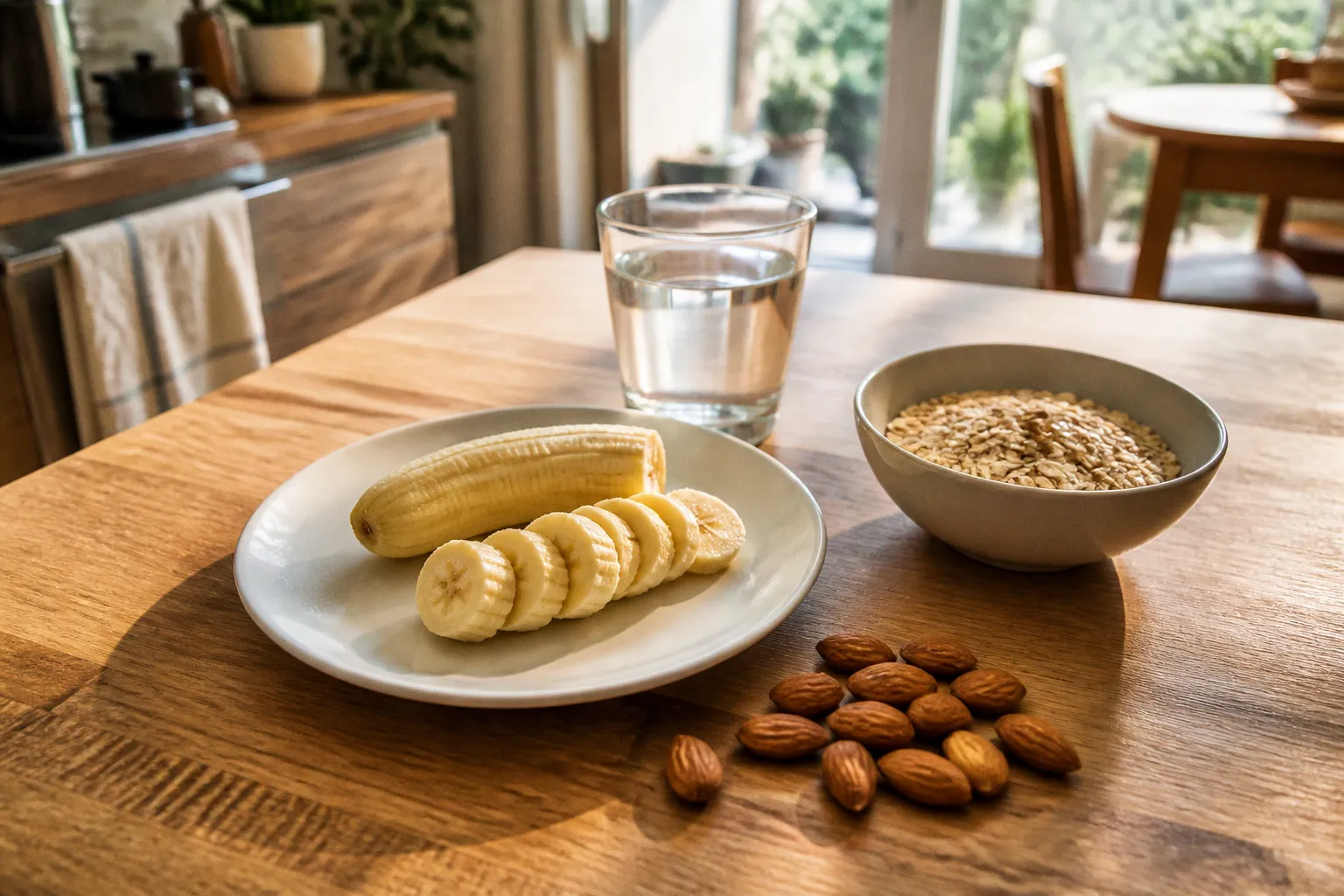
They enter digestion at different speeds, influence gastrointestinal load differently, and support performance through different mechanisms.
The practical objective is narrow: provide usable carbohydrate, maintain hydration, limit gastric distress, and avoid adding more digestive work than the session requires. The correct pre-workout meal schedule depends on the interval between eating and training, the session duration, exercise intensity, and individual tolerance.
There is no universal meal that produces peak energy. There is a usable timeline.
The physiology of pre-workout nutrition
Training performance depends partly on the availability of glucose and muscle glycogen. Carbohydrate is the primary variable because it can support high-intensity work, repeated contractions, and volume in resistance training. This does not mean every session requires a large meal. It means the carbohydrate dose must match the time available and the expected demand.
A full meal needs time for gastric emptying and intestinal absorption. A smaller snack requires less processing and can be useful when training begins soon. Fat and fiber slow digestion. That is useful in a normal meal. It is often counterproductive immediately before exercise because a distended stomach competes with movement and increases the probability of bloating, reflux, or cramping.
Protein has a different role. It is not a rapid energy source. A moderate amount in a meal several hours before training can support the broader daily protein target and provide amino acids during the period leading into the session. The meal does not need to become a protein challenge. Large portions create unnecessary gastric volume.
The closer training is, the simpler the food should become: less fat, less fiber, less volume, and a clearer carbohydrate source.
The same principle applies to supplements. Caffeine and stimulant-based pre-workout products generally reach peak blood absorption about 30 to 60 minutes after consumption. Their effect is not a substitute for inadequate food, sleep, or hydration. They are an additional input with a separate risk profile.
The pre-workout nutrition timeline
Use the timeline below as a starting model. It is not a rigid prescription. The digestive system is an individual constraint, and repeated symptoms are data.
| Time before training | Food structure | Useful options | Main limitation |
|---|---|---|---|
| 3–4 hours | Full meal with carbohydrate, moderate protein, and some fat | Rice with lean protein; potatoes with eggs; oats with yogurt and fruit | Excessive fat or fiber can extend digestion |
| 2–3 hours | Balanced meal with a moderate portion | Rice bowl; toast with eggs and fruit; yogurt with oats and banana | Large volume may remain in the stomach |
| 60–90 minutes | Smaller meal or substantial snack | Cereal with milk; toast with yogurt; fruit with a modest protein serving | Keep fat and fiber controlled |
| 30–60 minutes | Simple carbohydrate-focused snack | Banana; toast; applesauce; low-fiber cereal | Avoid heavy mixed meals |
| Less than 30 minutes | Small, rapidly digested carbohydrate input if tolerated | A few bites of banana, toast, or another familiar carbohydrate | Do not force food if nausea is likely |
Three to four hours before training
This is the largest practical window for a full pre-workout meal. The meal should contain:
- Carbohydrate as the primary performance fuel.
- Moderate protein.
- A controlled amount of fat.
- Fiber in an amount your gastrointestinal tract handles without symptoms.
- Water distributed with the meal rather than consumed as a last-minute bolus.
For a full meal three to four hours before exercise, a carbohydrate range of approximately 1 to 4 grams per kilogram of body weight is commonly used as a planning reference. The lower end may suit a shorter or less demanding session. The higher end is more relevant when the session is long, high-volume, or preceded by a period of low food intake.
This range is not a requirement to force-feed. Body size, training demand, total daily intake, and stomach tolerance change the useful dose. A 60-minute strength session and a long endurance session do not create the same carbohydrate requirement.
A practical meal might be rice, lean protein, and cooked vegetables. Another option is oats with yogurt and fruit if dairy and oats digest well for you. Potatoes with eggs can work when the fat content remains moderate. The preparation method matters. A large serving of fried food is not equivalent to the same carbohydrate source prepared with limited added fat.
Two hours before training
At two hours, the meal must be smaller and more controlled. The digestive system has less time to clear the stomach, but there is still enough time for a mixed meal if portions are reasonable.
This is often the most useful schedule for people who train after work or after a midday meal. Build the plate around an easily digested carbohydrate source, add moderate protein, and remove unnecessary dietary complexity.
Examples include:
- Rice with chicken and a small serving of cooked vegetables.
- Toast with eggs and fruit.
- Yogurt with oats and banana.
- Potatoes with a lean protein source.
- A simple sandwich with a low-fat filling.
The error is not eating fat. The error is placing a high-fat meal in a narrow digestion window. Large portions of cheese, creamy sauces, fried foods, heavy nut butter servings, and high-fiber legumes can remain in the gastrointestinal tract during the first working sets.
That can reduce movement quality even if the carbohydrate content is adequate. A loaded stomach changes trunk pressure, breathing mechanics, and tolerance to flexion. The result is not a nutrition failure in the abstract. It is a mechanical problem during training.
Thirty to sixty minutes before training
At this point, use a carbohydrate-focused snack. Keep the portion small, the texture simple, and the ingredients familiar. The general reference range is approximately 20 to 50 grams of carbohydrate for short-notice fueling. A smaller athlete or lower-demand session may require less. A larger athlete or high-volume session may tolerate more.
Suitable energy foods for workouts in this window include:
- One banana.
- Toast with a small amount of honey or jam.
- Applesauce.
- Low-fiber cereal.
- A small serving of pretzels.
- A simple carbohydrate drink if solid food is poorly tolerated.
The selection is not based on whether a food is marketed as a fitness product. It is based on digestion speed, carbohydrate availability, and tolerance. A banana is useful because it is portable and usually easy to digest. It is not physiologically superior because it has a fitness label.
Avoid combining a quick carbohydrate snack with a large amount of fat, fiber, or protein. The combination may be nutritious in another context, but it changes gastric behavior. Peanut butter on toast, a large protein bar, trail mix, and a high-fiber smoothie may all be reasonable foods during the day. They are less predictable when consumed shortly before loaded squats, intervals, or high-volume pulling.
Less than thirty minutes before training
You have limited time. Do not attempt to repair the entire day with a large meal.
If you are hungry and tolerate food close to exercise, use a small carbohydrate portion. A few bites of banana, toast, applesauce, or another familiar low-fiber option may be enough. Water can be consumed in small amounts. Avoid testing a new supplement or unfamiliar food at this point.
If eating causes nausea, do not treat that response as a discipline problem. It is a timing and tolerance problem. Move the last meal earlier in the next session and reduce the portion.
Match the meal to the session
The same nutrition strategy should not be applied to every training day. Exercise intensity and duration determine the cost of arriving under-fueled.
A low-volume strength session may be completed after a normal meal several hours earlier, particularly if daily carbohydrate intake is adequate. A high-volume hypertrophy session places greater demand on repeated efforts and local glycogen availability. Conditioning intervals, circuit training, and long sessions create a different requirement again.
Use the training session to select the input:
- Short, low-volume resistance session: A normal balanced meal may be sufficient. Add a small carbohydrate snack only if the previous meal was distant or hunger is present.
- High-volume resistance session: Use a carbohydrate-centered meal two to four hours before training. Add a small snack 30 to 60 minutes before if the session regularly deteriorates late.
- Intervals or repeated high-intensity work: Prioritize carbohydrate availability. Minimize fat and fiber as the start time approaches.
- Long training session: Use the larger end of your tolerated pre-workout meal and establish hydration before the session rather than waiting for thirst.
- Early-morning session: If a full meal is not practical, use a small carbohydrate snack and adjust the previous evening meal if needed.
The relevant signal is performance across the session. If the first set is strong and output collapses during later work, the issue may be inadequate carbohydrate, insufficient total energy, poor hydration, or excessive fatigue. Pre-workout food is only one variable.
Hydration is part of the schedule
Arriving dehydrated can reduce training quality before the first repetition. Drinking water only during the warm-up is a poor correction strategy because the fluid has not had time to distribute and because large volumes can create gastric discomfort.
A practical pre-workout hydration reference is approximately 500–700 mL of water two to three hours before exercise. This amount is not a universal command. Body size, ambient temperature, sweat rate, and prior fluid intake modify the requirement. The useful point is timing: begin hydration before the session.
A simple sequence is:
1. Drink approximately 500–700 mL of water two to three hours before training.
2. Continue normal fluid intake with the pre-workout meal.
3. Use small amounts closer to the session if needed.
4. Avoid forcing a large volume immediately before the first set.
Electrolyte products are not automatically required for every gym session. They become more relevant when sweat loss is substantial, training occurs in heat, or the session is long enough for fluid balance to become a limiting factor. Do not use a stimulant drink as a replacement for water.
Caffeine and pre-workout supplements
Caffeine can alter alertness and perceived effort. Stimulant-based pre-workout supplements often combine caffeine with additional ingredients, but the presence of a complex label does not establish a superior performance effect.
The timing is straightforward: caffeine and many stimulant products reach peak absorption in approximately 30 to 60 minutes. If used, place them inside that window. The dose should follow the product label and your known tolerance. Do not increase the amount because the first session felt flat. The cause may be inadequate carbohydrate, low sleep, dehydration, or accumulated fatigue.
Caffeine also creates a recovery variable. A product consumed late in the day may interfere with sleep. That produces a negative training cycle: stimulant use improves one session while reducing recovery before the next. The optimization target is not the single workout. It is repeated performance.
Avoid combining multiple stimulant products. Track the total intake from coffee, energy drinks, pre-workout powders, and other sources. If palpitations, tremor, anxiety, gastrointestinal symptoms, or sleep disruption occur, the input is not functioning as a performance aid.
The common errors that reduce performance
Eating a high-fat meal immediately before training
Fat is not an enemy nutrient. It is simply slow to digest. A high-fat meal close to exercise can increase fullness and gastrointestinal distress. Move it earlier in the schedule or reduce the portion.
Choosing fiber because it is healthy
Fiber supports health and satiety. It also increases digestive residue and may produce bloating in some people. A large bean-based meal, bran cereal, or high-fiber smoothie is poorly timed immediately before intense movement if it causes symptoms.
Treating a protein shake as a complete pre-workout strategy
A protein shake can provide protein. It does not automatically provide sufficient carbohydrate for a demanding session. If performance depends on carbohydrate availability, include a carbohydrate source when the session and timing justify it.
Eating too much because the session feels important
More food does not equal more energy once the digestive system becomes the limiting factor. A large meal may reduce movement quality, breathing comfort, and exercise tolerance.
Using a new food before a high-stakes session
Novelty is an unnecessary variable. Test changes during ordinary training. Keep competition days, testing sessions, and demanding lower-body work on foods already tolerated.
Assuming fasting has a special fat-loss effect
Training fasted may be a personal preference. It should not be described as a guaranteed method for improving overall daily fat loss. Total energy balance, dietary adherence, training quality, and recovery remain the larger system.
Pre-workout nutrition should remove constraints from training. If the meal creates nausea, reflux, or abdominal pressure, it has failed regardless of its nutrient profile.
Build your own pre-workout meal schedule
Use a repeatable decision sequence instead of searching for a perfect recipe.
Step 1: Identify the time available
- More than three hours: Build a full meal with carbohydrate, moderate protein, and controlled fat.
- One to three hours: Reduce portion size and keep the meal easier to digest.
- Thirty to sixty minutes: Use a simple carbohydrate-focused snack.
- Less than thirty minutes: Use only a small familiar carbohydrate portion if tolerated.
Step 2: Classify the training demand
Ask whether the session includes high volume, repeated high-intensity efforts, or long duration. If yes, increase attention to carbohydrate timing. If the session is short and low volume, avoid adding unnecessary food.
Step 3: Remove the slowest variables near training
As the start time approaches, reduce:
- Fried food and heavy sauces.
- Large servings of nuts or nut butter.
- High-fiber cereals and legumes.
- Very large protein portions.
- Foods that have previously caused reflux, cramping, or bloating.
Step 4: Establish a hydration baseline
Drink water before the session. Do not wait until the warm-up to consume the entire planned volume. Use the 500–700 mL reference two to three hours before training, then adjust according to body size, heat, and sweat loss.
Step 5: Track the session response
Record four variables:
- Meal time.
- Food composition.
- Perceived gastrointestinal comfort.
- Performance in the final third of the session.
Do not judge the strategy from one workout. Repeat the same input across several comparable sessions. Change one variable at a time. Otherwise, you cannot identify whether the problem was timing, portion size, caffeine, hydration, or the food itself.
A strict implementation protocol
For the next training week, use the following protocol:
1. Select one balanced pre-workout meal and place it two to four hours before training.
2. Keep the carbohydrate source consistent. Use rice, potatoes, oats, bread, or fruit according to tolerance.
3. Include moderate protein. Do not turn the meal into a maximal protein serving.
4. Keep fat and fiber moderate, especially when the meal is within two hours of exercise.
5. Drink approximately 500–700 mL of water two to three hours before the session.
6. If training begins within 30 to 60 minutes, replace the mixed meal with a 20–50 gram carbohydrate-focused snack.
7. Use caffeine only if already tolerated, and place it approximately 30–60 minutes before training.
8. Evaluate the final sets, not only the first warm-up.
9. If gastrointestinal symptoms occur, move the meal earlier or reduce fat, fiber, and total volume.
10. If performance drops late in a demanding session without stomach symptoms, increase or move carbohydrate closer to training.
The best pre-workout nutrition timeline guide is not a list of fashionable foods. It is a control system. Set the timing. Standardize the inputs. Observe the mechanical output. Then adjust the variable that limits performance.
Peak energy is not produced by a single meal. It is the result of adequate carbohydrate availability, controlled digestion, hydration established before training, and a schedule the gastrointestinal system can execute without interference.